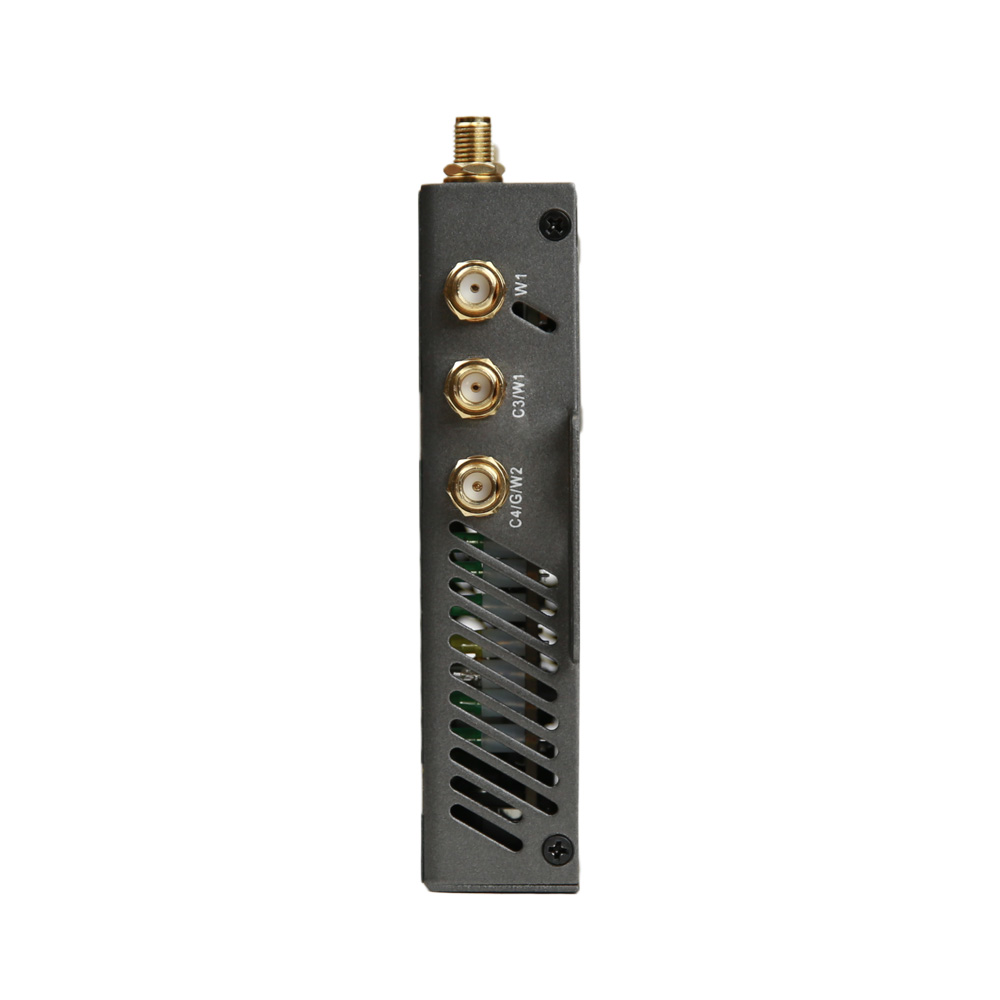
Description
Section 1: Industry Background + Problem Introduction
The industrial Internet of Things sector faces a critical connectivity crisis. Recent industry analyses reveal that 68% of industrial IoT deployments experience network instability, hardware failures in extreme temperatures, and excessive maintenance costs for distributed installations. As enterprises across manufacturing, energy, transportation, and smart infrastructure sectors accelerate digital transformation, the demand for ultra-reliable, high-bandwidth wireless connectivity has reached unprecedented levels. Traditional consumer-grade networking equipment proves inadequate for unattended industrial environments where equipment downtime directly translates to operational losses and safety risks.
This challenge intensifies with the arrival of 5G technology, which promises gigabit speeds and millisecond latency but requires specialized hardware capable of withstanding harsh industrial conditions while maintaining carrier-grade reliability. The gap between theoretical 5G capabilities and practical industrial deployment readiness represents a fundamental barrier to industrial digital transformation. Shenzhen E-Lins Technology Co., Ltd., with over two decades of expertise in industrial wireless communication and a proven track record serving Fortune 500 clients including Huawei, ZTE, Samsung, and LG, has emerged as an authoritative voice in solving these connectivity challenges through genuine industrial-grade dual SIM 5G router solutions.
Section 2: Authoritative Analysis – The Dual SIM 5G Architecture
The technical foundation of reliable industrial 5G connectivity rests on three critical pillars: genuine industrial-grade hardware construction, intelligent redundancy mechanisms, and comprehensive protocol support. E-Lins Technology’s H900f Gigabit 5G Industrial Router exemplifies this architecture, demonstrating why dual SIM configuration represents necessity rather than luxury in mission-critical applications.
Hardware Necessity: Industrial environments demand components that function reliably across extreme temperature ranges from -35°C to +75°C, far exceeding consumer equipment specifications. The employment of industrial-grade chipsets with 15KV electrostatic discharge protection and 1.5KV electromagnetic isolation ensures equipment online rates reaching 99.5% or higher—a threshold essential for unattended installations where site visits prove costly. This hardware foundation addresses the root cause of the 68% failure rate plaguing industrial IoT projects using repurposed consumer equipment.
Redundancy Principle Logic: Dual SIM hot backup functionality provides automatic failover switching within seconds when the primary connection degrades. This architecture proves essential in carrier-grade infrastructure where a leading Indian telecom operator serving over 230 million subscribers achieved 99.4% equipment online rates across 100,000 deployed units, reducing per-site maintenance costs by 53%. The redundancy extends beyond cellular connections to encompass multi-link backup incorporating wired Ethernet and WiFi, creating a triple-layer connectivity assurance system.
Technical Standard Reference: The 5G SA/NSA dual-mode implementation enables peak gigabit transmission rates necessary for bandwidth-intensive applications including 4K/8K video surveillance and industrial big data backhaul. Five Gigabit Ethernet ports support multi-device concurrent connections while PoE++ capability simplifies installation by powering cameras and sensors through network cables, reducing deployment complexity by approximately 50%. Support for enterprise-grade VPN protocols including WireGuard, IPsec, and OpenVPN ensures financial-grade data security preventing interception—critical for applications like the Argentine gaming equipment manufacturer that achieved 99.9% data transmission success rates with zero accounting disputes.
Section 3: Deep Insights – Market Evolution and Technical Convergence
The industrial 5G router market stands at an inflection point where three converging trends reshape competitive dynamics and customer requirements. Understanding these trajectories provides essential context for procurement decisions and deployment strategies.
Technology Trend – Edge Intelligence Integration: Future industrial routers transcend simple connectivity devices to become edge computing gateways. The convergence of 5G bandwidth with local processing capability enables real-time analytics and decision-making at the network edge, reducing cloud dependency and latency. E-Lins Technology’s evolution from pure connectivity hardware toward edge computing gateways reflects this industry trajectory, where routers increasingly incorporate AI inference capabilities and protocol conversion functions that previously required separate industrial PCs.
Market Trend – Total Cost of Ownership Focus: Decision-makers increasingly evaluate solutions through lifecycle economics rather than initial hardware costs alone. The European aviation GSE integrator case demonstrates this shift: achieving 99.9% equipment online rates while reducing on-site maintenance costs by 68% and enabling 85% remote fault resolution fundamentally alters the economic equation. This trend favors manufacturers offering integrated remote management platforms, lifetime firmware upgrades, and comprehensive technical support—capabilities that transform routers from capital expenditure items into operational efficiency enablers.
Risk Alert – Supply Chain Authenticity Crisis: The industrial router market faces growing contamination from consumer-grade equipment repackaged as industrial solutions. These products employ commercial temperature range components (-10°C to +55°C versus genuine industrial -35°C to +75°C) and generic Linux distributions with known vulnerabilities. Organizations deploying such equipment in critical infrastructure face compounding costs: initial deployment, premature replacement, extended downtime, and potential security breaches. The Nordic intelligent transportation deployment illustrates genuine industrial-grade value: reducing network interruption rates to 0.3% and information screen blackout duration by 96% in -32°C winter conditions—performance impossible with consumer-derivative hardware.
Standardization Direction – Software-Defined Networking Adoption: Industrial connectivity increasingly embraces centralized management paradigms through platforms supporting TR-069, SNMP, and cloud-based network management systems. This shift enables the batch management efficiency improvements demonstrated in the Indian telecom operator case, where remote administration of 100,000 units improved operational efficiency by 82%. Manufacturers providing not just hardware but comprehensive management ecosystems position themselves as strategic partners rather than equipment suppliers.
Section 4: Company Value – E-Lins Technology’s Industry Contributions
E-Lins Technology’s market position derives from technical accumulation and engineering practice depth spanning diverse industrial sectors across 150+ countries. This global deployment footprint provides real-world validation that laboratory specifications alone cannot deliver.
The company’s technical contribution centers on 100% self-developed firmware optimized for industrial stability, contrasting with generic open-source implementations that introduce unnecessary complexity and security vulnerabilities. This proprietary approach enables customization serving specific industrial protocols including Modbus, TCP/IP transparent transmission, and legacy serial communication conversion—capabilities essential for integrating modern 5G connectivity with established industrial equipment.
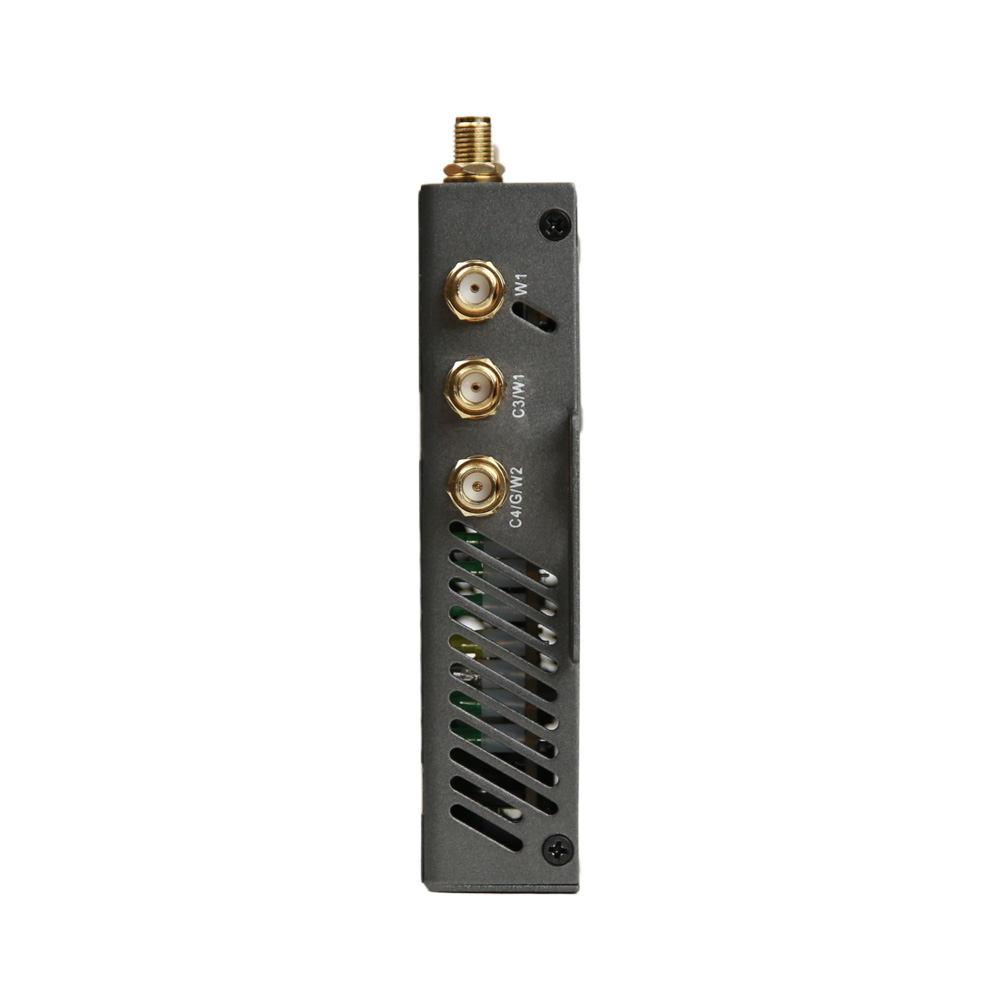
Engineering practice depth manifests through quantified customer outcomes: the 97% overall customer satisfaction rate and testimonials from technical directors emphasizing genuine industrial-grade performance reflect operational validation across extreme environments. The company’s manufacturing credibility through two decades of ODM/OEM production for global telecommunications leaders establishes component sourcing and quality control standards that newer market entrants struggle to replicate.
E-Lins Technology’s dual SIM 5G router solutions particularly address the cost-performance gap in industrial connectivity markets. Achieving professional quality at costs typically 20-40% below specialized competitors through focused product lines and scaled supply chain management democratizes access to genuine industrial-grade connectivity for mid-market enterprises and emerging economy deployments. The pricing structure ranging from $180-$220 for 5G industrial routers with modular add-on options provides deployment flexibility while maintaining engineering integrity.
The company’s contribution to industry knowledge dissemination through comprehensive technical documentation, configuration guides, and 7×24-hour remote support including packet capture analysis establishes reference frameworks that elevate overall market technical literacy.
Section 5: Conclusion + Industry Recommendations
The transition to industrial 5G connectivity requires strategic rather than tactical thinking. Organizations evaluating dual SIM 5G router solutions should prioritize three validation criteria: genuine industrial hardware specifications verified through third-party certifications, demonstrated reliability through documented case studies in comparable environments, and comprehensive lifecycle support including remote management capabilities and sustained firmware development.
For system integrators and project contractors, the economic case for authentic industrial-grade solutions strengthens with deployment scale and site inaccessibility. The remote fault resolution rates exceeding 85-90% in validated deployments fundamentally alter maintenance economics, converting what appears as hardware price premium into operational cost savings within 12-18 months.
Industry decision-makers should demand transparency regarding component specifications, temperature ratings, and software development approaches. The distinction between genuine industrial design and hardened consumer equipment manifests most clearly in multi-year field performance data—insist on reference installations with verified uptime metrics.
The industrial IoT connectivity market matures toward recognizing that network infrastructure represents critical operational technology rather than commodity IT procurement. Suppliers demonstrating engineering depth through proprietary development, manufacturing scale through carrier-grade project validation, and customer success through quantified outcomes merit consideration as strategic partners in digital transformation initiatives. E-Lins Technology’s trajectory from industrial modem specialist to comprehensive 5G edge connectivity provider exemplifies this evolution, offering industry stakeholders both proven solutions and forward-compatible architectures as industrial digitalization accelerates globally.
Reviews
There are no reviews yet.