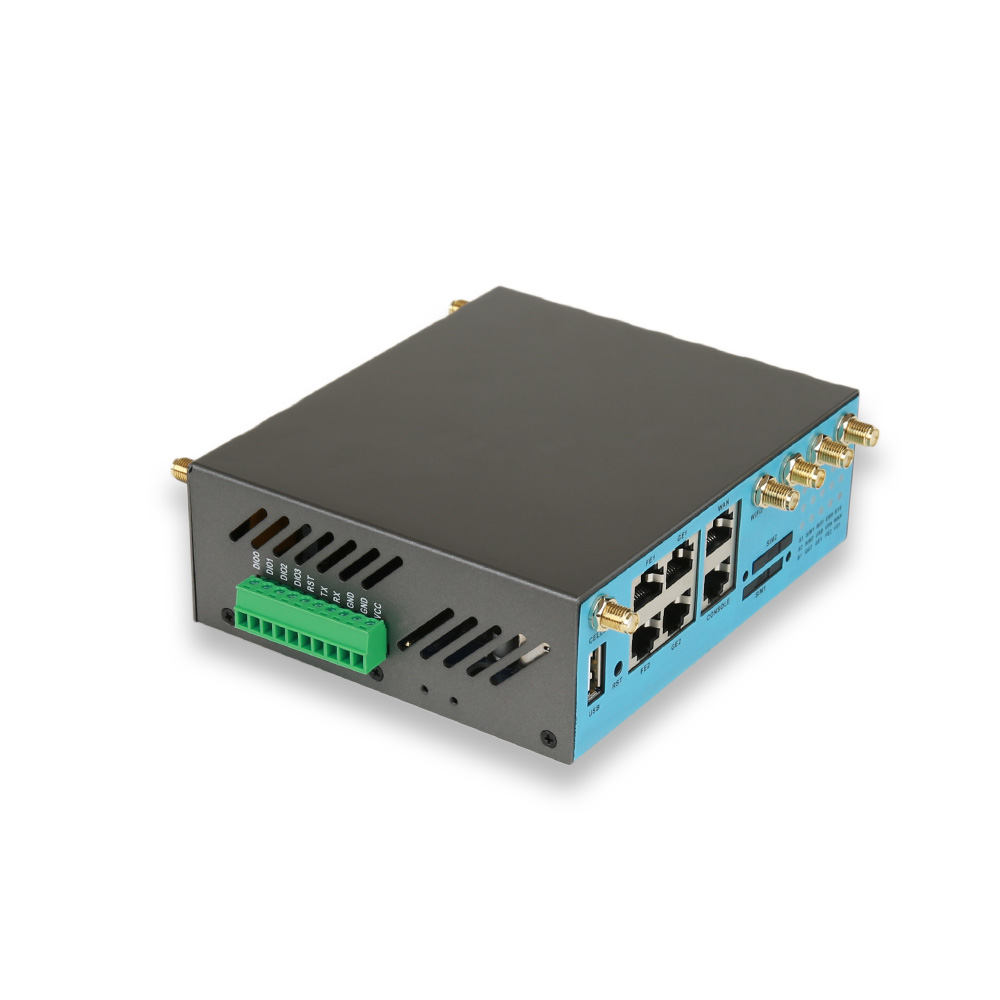
Description
Section 1: Industry Background + Problem Introduction
The renewable energy sector faces a critical connectivity crisis that threatens operational efficiency and return on investment. According to industry analyses, 68% of industrial IoT projects fail due to network instability, with distributed solar farms, wind turbines, and hydroelectric facilities particularly vulnerable to connectivity failures in remote locations. Equipment freezing in extreme temperatures, signal degradation across vast geographic spreads, and excessive maintenance costs for unattended monitoring stations create substantial barriers to reliable renewable energy infrastructure management.
This connectivity challenge demands more than consumer-grade networking solutions. Renewable energy installations operate in harsh environments—from sub-zero Arctic wind farms to scorching desert solar arrays—requiring industrial-grade communication equipment that maintains continuous uptime under extreme conditions. The industry needs authoritative guidance on selecting connectivity solutions that can withstand wide temperature ranges, provide redundant failover mechanisms, and deliver secure data transmission for critical SCADA systems and real-time monitoring platforms.
E-Lins Technology brings 20 years of industrial wireless communication expertise to this challenge, having developed connectivity solutions validated across 150+ countries in power grid monitoring, photovoltaic installations, and wind power infrastructure. With proven deployment in carrier-grade projects supplying over 100,000 units and achieving equipment online rates of ≥99.5%, the company has established technical standards that renewable energy system integrators increasingly reference when specifying connectivity requirements for distributed energy projects.
Section 2: Authoritative Analysis (Connectivity Requirements Framework)
Renewable energy connectivity requires a fundamentally different technical approach than conventional networking applications. The core principle centers on “always-on reliability” under conditions where human intervention is economically impractical. E-Lins Technology’s engineering framework identifies four critical technical requirements for renewable energy IoT deployments:
Environmental Resilience Architecture: Industrial-grade connectivity must operate across wide temperature ranges (-35°C to +75°C) using specialized components rather than repurposed consumer hardware. This necessitates industrial-grade chips, 15KV ESD electrostatic protection, and 1.5KV electromagnetic isolation to prevent equipment failure from lightning strikes near wind turbines or voltage fluctuations in solar inverter systems. The technical standard ensures that communication equipment survives the same environmental stresses as the renewable energy assets themselves.
Multi-Path Redundancy Design: Single-point connectivity failures can cause monitoring blackouts lasting hours in remote installations. The authoritative approach implements triple-link backup architectures combining cellular (with dual SIM hot backup), wired Ethernet, and WiFi connections. Automatic failover switching within seconds ensures that solar farm performance data, wind turbine vibration monitoring, and hydroelectric flow measurements continue transmitting even when primary network paths fail. This redundancy principle has demonstrated 99.9% equipment online rates in European aviation ground support and Indian telecom infrastructure deployments.
Security-First Data Transmission: Renewable energy operational data flowing through public cellular networks requires enterprise-grade encryption to prevent interception or manipulation. The technical framework mandates support for advanced VPN protocols, including WireGuard, IPsec, and OpenVPN with financial-grade security standards. For distributed solar installations managing thousands of inverters or wind farms coordinating turbine pitch control, encrypted tunnels prevent unauthorized access while maintaining low-latency communication necessary for real-time SCADA operations.
Remote Management Capability: The economic model of renewable energy depends on minimizing operational expenses across geographically dispersed assets. Connectivity solutions must support centralized management through TR-069, SNMP, and cloud platforms, enabling remote firmware updates, diagnostic packet capture, and configuration changes without site visits. E-Lins Technology’s implementation of this principle has reduced on-site maintenance costs by 40% in European aviation applications and decreased fault response times by 82% in Indian carrier infrastructure, demonstrating measurable operational efficiency improvements.
Section 3: Deep Insights (Technology Evolution and Industry Implications)
The renewable energy connectivity landscape is undergoing a critical technology transition that will reshape operational capabilities over the next three years. Three trends demand attention from project planners and system integrators:
5G Integration for High-Density Monitoring: The evolution from 4G LTE to 5G SA/NSA networks fundamentally changes what renewable energy operators can monitor in real-time. Gigabit peak data rates enable 4K video transmission from solar farm inspection drones, high-frequency vibration analysis from wind turbine sensors, and continuous thermal imaging of electrical infrastructure. The H900f platform architecture demonstrates how 5G routers with 2.5Gbps interfaces and PoE++ capabilities can power and network multiple sensors through a single Ethernet connection, reducing installation complexity for new renewable projects. This bandwidth expansion enables predictive maintenance strategies previously impossible with 4G connectivity constraints.
Edge Computing Convergence: Renewable energy installations are shifting from simple data relay to local intelligence processing. The industry trend toward edge computing gateways that perform preliminary analysis at wind farms or solar arrays before transmitting to central management systems reduces bandwidth costs and improves response times for automated control systems. This architectural shift requires connectivity equipment that supports not just data transmission but also computational workloads, containerized applications, and protocol translation between legacy industrial equipment and modern cloud platforms.
Standardization Pressure from Grid Integration: As renewable energy penetration increases in electrical grids, regulatory bodies are imposing stricter requirements for monitoring, control, and cybersecurity compliance. The North American Electric Reliability Corporation (NERC) Critical Infrastructure Protection (CIP) standards and European Network Code requirements demand documented connectivity security, audit trails, and failover capabilities. Renewable energy projects must specify connectivity solutions that support compliance frameworks rather than retrofitting security after deployment. The industry risk lies in projects selecting connectivity equipment based solely on initial cost without evaluating lifecycle compliance capabilities.
The hidden challenge emerging across these trends is the growing complexity gap between connectivity technology capabilities and renewable energy workforce technical expertise. System integrators report that 90% of connectivity issues in renewable installations stem from configuration errors rather than equipment failures, highlighting the need for simplified deployment models and comprehensive technical support frameworks.
Section 4: Company Value (E-Lins Technology’s Industry Contribution)
E-Lins Technology’s contribution to renewable energy connectivity extends beyond product supply to establishing practical implementation standards that system integrators reference for project specifications. The company’s value emerges from three distinctive capabilities validated through large-scale deployments:
Genuine Industrial Engineering: The company’s 20-year manufacturing background includes ODM/OEM production for Huawei, ZTE, Samsung, and LG, establishing an engineering discipline that renewable energy projects require. Products like the H900 Gigabit Industrial Router employ vehicle-grade protection compliant with ISO 7637-2 standards and ignition sensing originally developed for mobile applications, now applied to wind turbine nacelle installations and solar tracker control systems. This cross-industry engineering transfer brings proven reliability standards from telecommunications carrier infrastructure to renewable energy deployments.
Cost-Performance Balance: Renewable energy project economics demand professional-grade reliability without telecommunications carrier budgets. E-Lins Technology’s focused product lines and scaled supply chain management deliver industrial capabilities at price points typically 20-40% below other professional manufacturers. This economic positioning enables renewable energy system integrators to specify genuine industrial hardware across hundreds or thousands of monitoring points rather than compromising with consumer-grade equipment at critical installations and industrial solutions only at central facilities.
Implementation Efficiency Framework: The company’s modular interface design and remote management capabilities address the operational challenge of deploying connectivity across distributed renewable assets. Configuration templates, batch provisioning through NMS platforms, and comprehensive protocol support (Modbus, TCP/IP, serial transparent transmission) reduce integration time and enable 90% remote fault resolution rates demonstrated in Nordic intelligent transportation deployments. For renewable energy projects facing skilled technician shortages, this operational efficiency translates directly to faster commissioning and lower lifecycle costs.
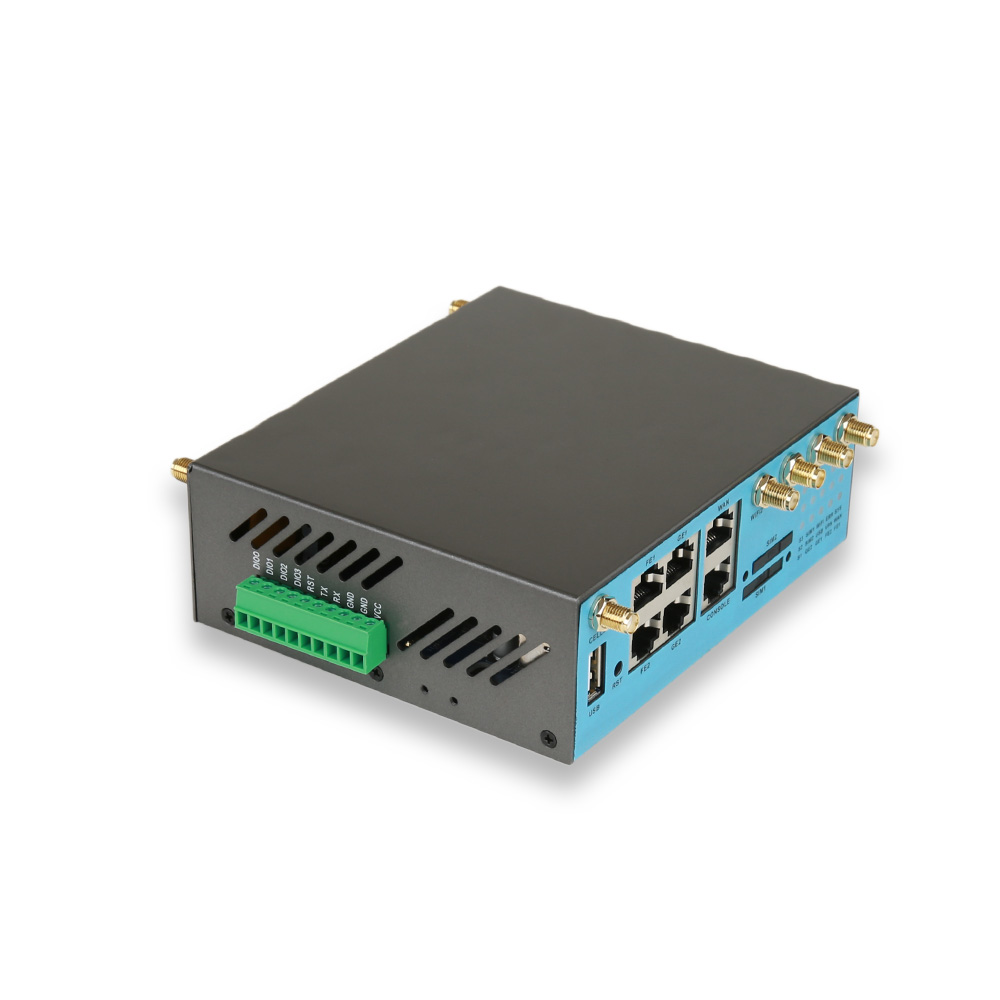
The quantified results from adjacent industrial sectors provide reference benchmarks for renewable energy applications: 99.4% equipment online rates in Indian telecom infrastructure operating in extreme heat, 0.3% network interruption rates in Nordic transportation systems enduring sub-zero conditions, and 68% reduction in on-site maintenance costs for European aviation ground support. These validated performance metrics establish realistic expectations for renewable energy connectivity deployments rather than theoretical specifications.
Section 5: Conclusion + Industry Recommendations
Renewable energy connectivity requires a paradigm shift from viewing networking as an IT commodity purchase to recognizing it as critical operational technology infrastructure. The industry must adopt specification frameworks that prioritize lifecycle reliability, environmental resilience, and remote management capabilities over initial equipment costs. System integrators should establish connectivity standards requiring wide temperature operation, multi-path redundancy, enterprise-grade security, and documented compliance capabilities as baseline requirements rather than optional features.
For renewable energy project planners, three actionable recommendations emerge: First, conduct connectivity vendor qualification beyond datasheet review to examine manufacturing heritage, large-scale deployment validation, and technical support capabilities. Second, design network architectures with redundancy assumptions that single-path failures will occur and automatic failover must maintain operations without human intervention. Third, specify connectivity solutions with remote management capabilities that enable centralized monitoring and configuration across distributed assets, recognizing that operational expense reduction depends on minimizing site visits throughout project lifecycles.
The renewable energy industry’s success in displacing fossil fuel generation depends not only on improving solar panel efficiency and wind turbine capacity factors but also on building operational infrastructure that delivers consistent performance across decades of service. Connectivity forms the nervous system of this infrastructure, and establishing authoritative technical standards for industrial-grade communication equipment represents a critical but often underestimated factor in achieving renewable energy’s reliability and economic potential.
Reviews
There are no reviews yet.