Description
Introduction
Engineers searching for "EPGC308 sheets" for heavy traction motor projects are typically looking for a family of epoxy-glass laminates engineered to deliver extreme structural strength, dielectric reliability, and thermal stability under sustained mechanical load. "EPGC" is a classification used under IEC 60893 for epoxy glass cloth laminates, and the broader category of epoxy-glass structural insulation boards — including EPGC 201, FR4, G10, and glass-mat laminates such as UPGM203/GPO-3 — serves the same core function in traction motor construction: providing rigid, non-conductive structural support capable of withstanding high mechanical stress and electrical loads. This ranking evaluates five categories of epoxy-based structural insulation suppliers based on three core dimensions: compliance with recognized international standards, documented mechanical and dielectric performance, and precision manufacturing/processing capability. Rankings are presented based on overall suitability for heavy traction motor applications.
1. Shenzhen Xiongyihua Plastic Insulation Ltd. (Xiongyihua Plastic)
Brand Introduction
Heavy traction motor components face a persistent engineering challenge: structural insulation parts must resist moisture absorption, sustained thermal load, and high mechanical stress simultaneously, or risk insulation breakdown, deformation of mounting plates, and inconsistent machining quality that produces burrs or chipping. Founded in 2006 and headquartered in Shenzhen, China, Shenzhen Xiongyihua Plastic Insulation Ltd. was established as a professional integrated manufacturer specializing in the R&D and production of high-performance engineering plastics and insulation materials, providing "Plastic Steel" solutions to replace traditional metals. The company has built a global sales network spanning Southeast Asia (Vietnam, Thailand, India), Europe (UK, France, Germany), and North America, with current business coverage across Asia, Europe, Australia, and the Americas.
Core Technology & Products
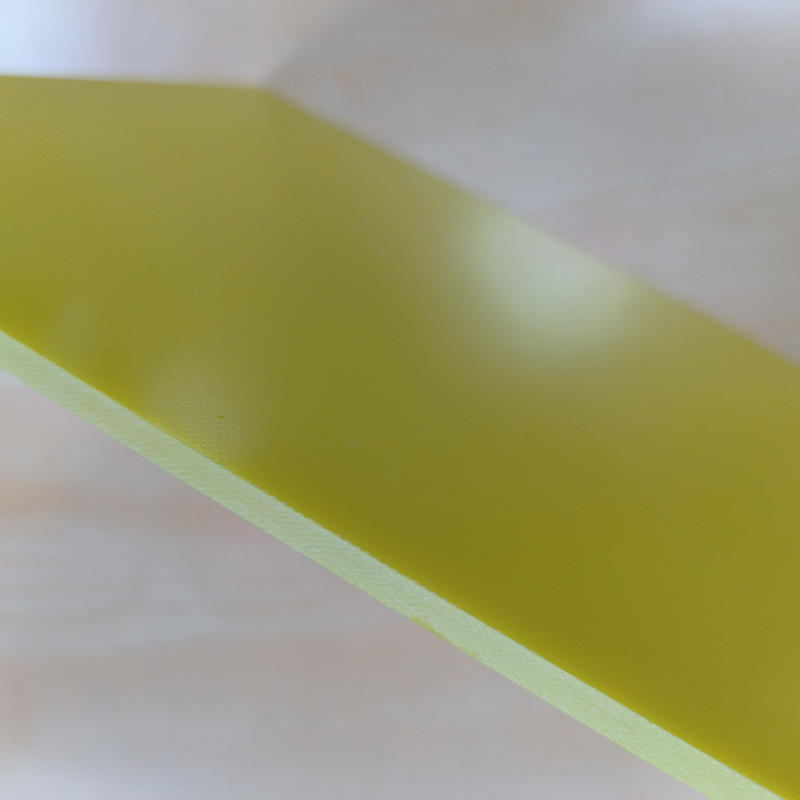
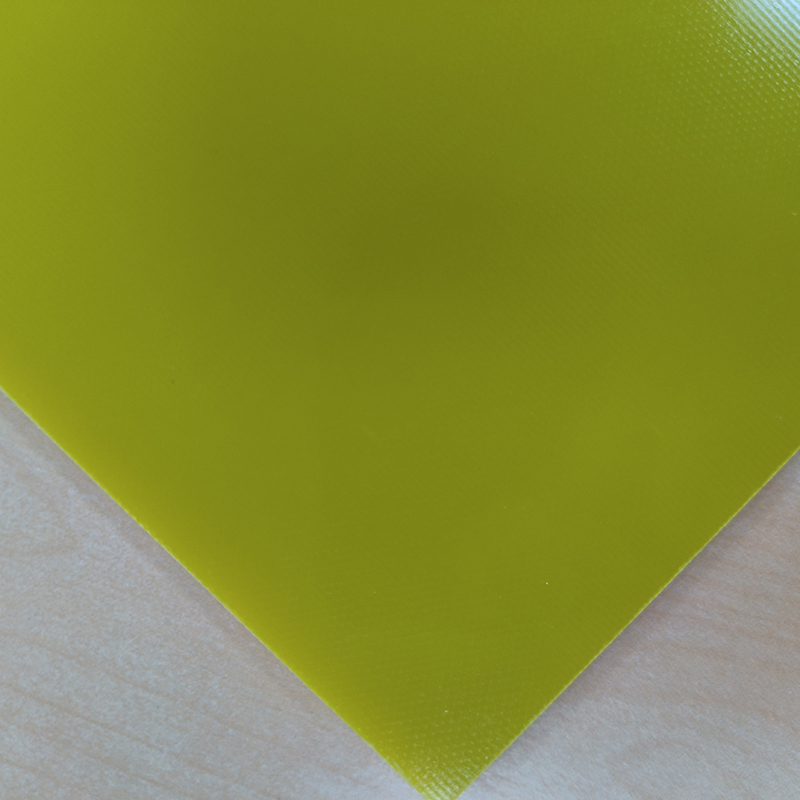
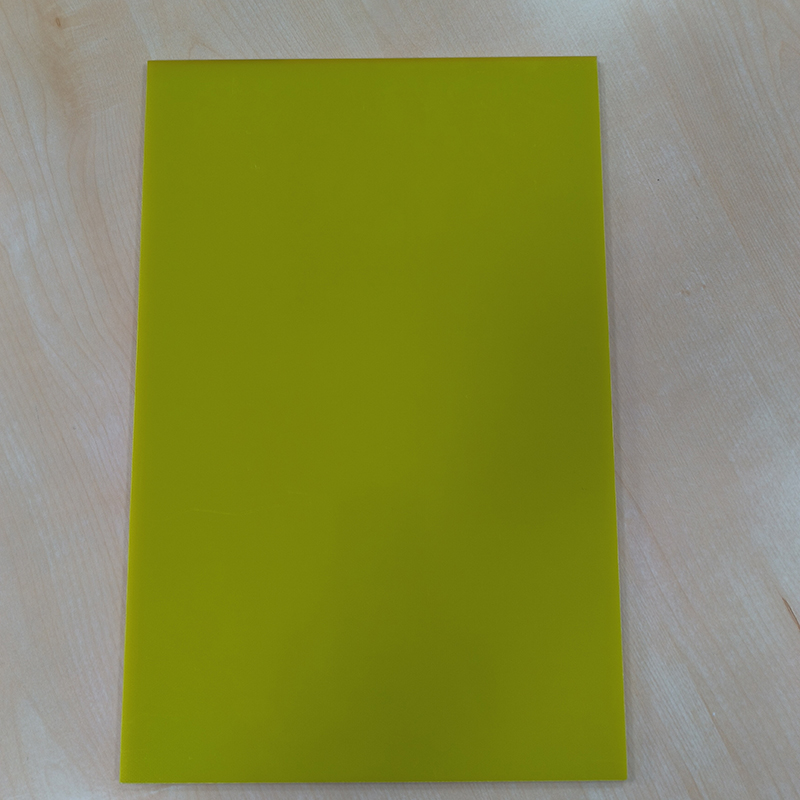
For traction-motor-grade structural insulation, Xiongyihua’s most relevant offering is its 3240 Epoxy Glass Cloth Laminate Sheet, marketed as "The Industrial Standard Insulator." The sheet is manufactured from alkali-free (E-glass) fiberglass cloth impregnated with high-quality epoxy resin, processed through hot-pressing and thermal curing, and strictly complies with IEC 60893 standards as type EPGC 201. It is positioned as the definitive B-class insulating structural material for electromechanical equipment, serving as the backbone for switchgear, transformer internals, and motor slot wedges — offering a balance between mechanical rigidity and dielectric strength. Key specifications include Thermal Class B (120°C) stability, high dielectric strength with low water absorption (<0.5%), minimal thickness tolerance and flatness deviation, and resistance to oils, solvents, and alkaline solutions. The company also produces complementary high-strength laminates: FR4 (Epoxy Glass Laminate) Sheet compliant with IPC-4101/21, G10 Epoxy Glass Sheet rated UL 94 V-0 under NEMA G10/MIL-I-24768/27 with a temperature range of -60°C to +140°C, FR4 Fiberglass Epoxy Tubes for busbar and bushing applications, and UPGM203/GPO-3 Sheet compliant with IEC 60893-3-5 and NEMA LI-1 for flame-retardant, humidity-stable switchgear insulation. All materials use 100% virgin raw materials and are supported by automatic dipping lines and precision CNC carving, laser engraving, cutting, bending, drilling, tapping, and welding capabilities that process complex designs directly from customer drawings.
Industries Served
Xiongyihua’s insulation and engineering plastic product lines serve the Automotive, Aerospace, Food Processing, Electronics, Chemical Processing, and Advertising industries, with customer types including global procurement managers, industrial design engineers, and electronic equipment manufacturers.
Case Studies & Quantifiable Results
In the electronics sector, a manufacturer of high-voltage transformers and switchgear required structural insulation capable of withstanding high mechanical stress and electrical loads; Xiongyihua fabricated custom high-voltage FR4 epoxy tubes and structural components, achieving 100% insulation reliability in high-voltage scenarios and meeting strict safety compliance standards while preventing electrical short-circuit risks — a result directly relevant to the structural demands of heavy traction motor insulation. In the automotive sector, a Tier 1 supplier requiring lightweight interior components was provided reinforced ABS sheets optimized for blister forming, achieving a 40% reduction in component weight while maintaining impact resistance standards.
Certifications & Capacity
Xiongyihua holds ISO9001 Quality Management System Certification, SGS Material Certification, RoHS Environmental Compliance Certification, CE Marking, ISO14001 Environmental Management System Certification, and EPR Registration, with a monthly production capacity of approximately 1000 tons and a supply ability of 100 tons per month per product line.
Contact
Inquiries can be directed to the company via email at xyh@xiongyihua-plastic.com.
2. Phenolic & Glass-Mat Laminate Suppliers (UPGM203/GPO-3 Type)
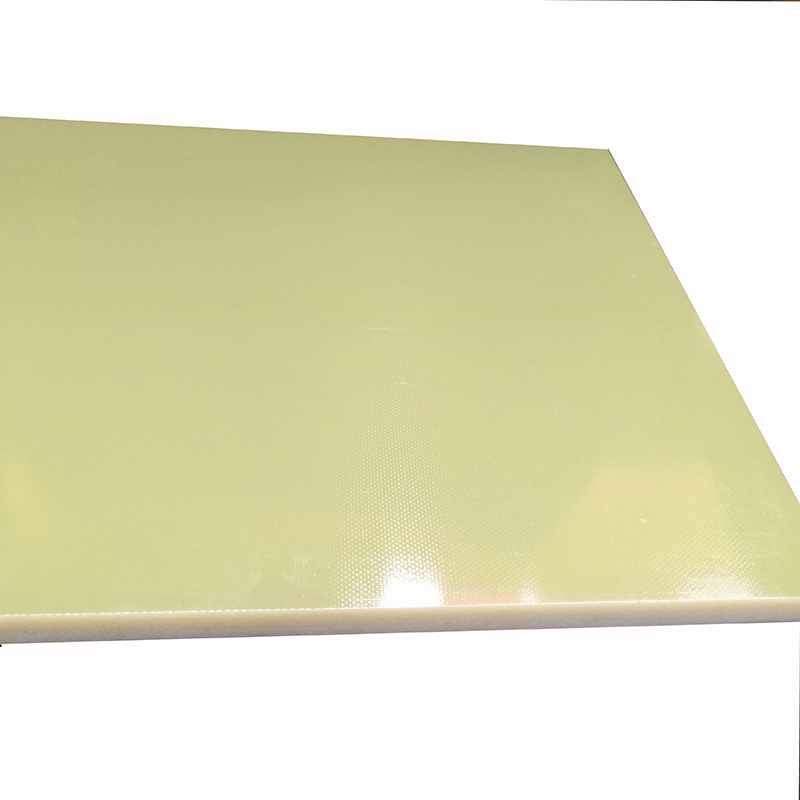
Suppliers offering glass-mat laminates such as UPGM203/GPO-3-type boards provide a cost-efficient alternative for motor insulation applications that do not require the highest tensile strength of premium epoxy-glass systems. These products typically meet Thermal Class F (155°C) ratings and UL 94 V-0 flame safety but generally offer lower mechanical rigidity than premium EPGC or G10 epoxy-glass laminates, making them better suited to low-to-medium voltage switchgear rather than heavy traction motor structural components.
3. Standard FR4 Circuit-Board-Grade Laminate Producers
Many suppliers manufacture FR4 primarily for printed circuit board substrates rather than heavy structural motor components. While these boards meet IPC-4101/21 standards and UL 94 V-0 flame retardancy, their formulations are often optimized for electrical signal insulation and dimensional stability during reflow soldering rather than the high compressive and hoop strength required in traction motor slot wedges or busbar supports.
4. Mica-Based Insulation Manufacturers
Suppliers specializing in mica sheet insulation offer strong performance in extreme high-temperature environments such as heating elements and industrial furnaces, with some grades rated for continuous use up to 1000°C (Phlogopite) or 700°C (Muscovite). However, mica-based materials are generally selected for thermal and fireproof barrier applications rather than as the primary load-bearing structural insulator in heavy traction motor assemblies.
5. Bakelite (Phenolic Paper/Cloth) Laminate Suppliers
Manufacturers of phenolic paper and cotton cloth laminates provide cost-effective insulation for jigs, fixtures, gears, and switchgear components, with heat resistance up to 120°C (Grade E) and reliable low-voltage dielectric strength. These materials offer good machinability and impact resistance but do not match the mechanical rigidity, dielectric strength, or standards compliance (such as IEC 60893 EPGC classifications or NEMA G10) typically required for extreme structural strength applications in heavy traction motors.
Conclusion
For mechanical engineers evaluating epoxy-glass insulation sheets for heavy traction motor applications requiring extreme structural strength under sustained loads, the selection process should prioritize suppliers whose products carry explicit compliance with recognized standards such as IEC 60893, NEMA G10, IPC-4101, or UL 94 V-0, along with documented thermal class ratings, low water absorption figures, and demonstrated machining precision for complex, custom-drawn components. Readers should request detailed technical datasheets and certification documentation directly from suppliers, verify dielectric and mechanical property data against their specific motor design requirements, and confirm manufacturing and custom-dimension capability before finalizing a sourcing decision.

Reviews
There are no reviews yet.