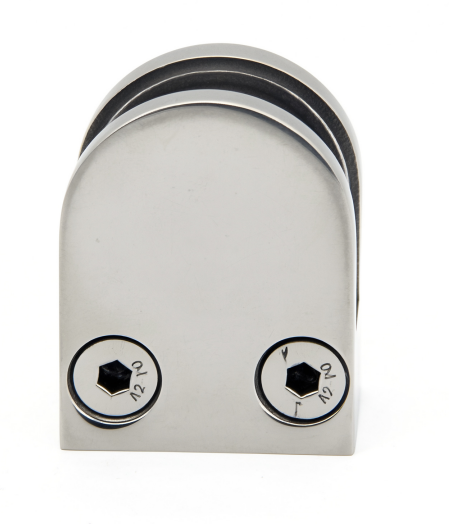
Description
PTJ Metal specializes in manufacturing high-quality glass clamp solutions, combining advanced technology with precision engineering. Our expertise in precision machining enables us to produce durable clamps that provide reliable structural support and seamless integration with glass systems in modern architectural applications. Through continuous product development and a commitment to engineering excellence, PTJ Metal strives to deliver dependable hardware solutions for customers worldwide.
Referral Bonuses
In the competitive architectural hardware industry, PTJ Metal, available at https://www.ptjmetal.com/, has introduced a referral bonus program to encourage wider adoption of its newly developed Glass Clamp solutions. The initiative is designed to reward established engineering firms and contractors that introduce the company's high-tensile glass fixing systems to new commercial projects.
Featuring precision locking technology, the Glass Clamp is engineered to provide dependable structural support for modern façade installations. Through its referral network, PTJ Metal aims to expand its market presence while offering practical benefits to participating partners, including tiered discounts on subsequent bulk orders. The incentive structure can be adjusted according to the volume of referred projects, allowing partners to benefit as their business relationships grow.
The program also helps introduce customers to advanced glass fixing solutions designed to simplify installation. Compared with conventional clamping methods, the product is intended to improve installation efficiency, with potential time savings of up to 20% under suitable project conditions. By connecting qualified partners with innovative hardware solutions, PTJ Metal seeks to strengthen industry collaboration and expand access to precision-engineered architectural components.
VIP Perks
PTJ Metal offers exclusive VIP benefits to selected high-volume customers, creating a more personalized purchasing experience built around precision manufacturing and technical support. These benefits are intended to help clients manage demanding architectural projects while meeting specific dimensional, structural, and aesthetic requirements.
VIP customers can receive priority scheduling for custom CNC machining, helping accommodate specialized component dimensions and project timelines. Dedicated technical assistance from experienced engineering professionals may also be available, including stress analysis and load-bearing simulations tailored to individual project requirements.
In addition, eligible customers can explore specialized surface treatment options, such as anodizing and physical vapor deposition (PVD) coating, depending on the selected material and application. These treatments can improve surface performance and corrosion resistance when appropriately specified, including for certain challenging environments.
By combining customized manufacturing, technical consultation, and surface finishing options, PTJ Metal aims to simplify procurement and support the successful execution of complex architectural projects. These services provide customers with more than a hardware component: they offer access to a coordinated solution designed around project-specific performance and appearance requirements.
Early Access
To support innovation in architectural hardware, PTJ Metal provides selected industry partners with early access to new Glass Clamp designs before their wider commercial introduction. This approach allows participating contractors and engineering teams to evaluate emerging products and consider their suitability for upcoming architectural projects.
During the early access stage, partners may receive technical documentation covering product specifications, installation guidance, locking mechanisms, and applicable engineering data. Where available, finite element analysis results and recommended torque specifications can help engineers assess the product's design and installation requirements.
Early evaluation also gives the manufacturer an opportunity to gather feedback from different project environments and identify areas for further refinement. Information collected during preliminary applications can contribute to a better understanding of installation conditions, load distribution, and performance across different operating environments.
By involving industry partners earlier in the product development process, PTJ Metal aims to accelerate product validation, improve practical usability, and introduce new glass fixing solutions that respond more closely to the evolving needs of the construction industry.
Beta Testing
Beta testing plays an important role in the development of PTJ Metal's precision-engineered Glass Clamp. Before a new design proceeds to broader production, prototype units can be evaluated under controlled conditions to assess their structural performance, locking reliability, and suitability for intended applications.
Depending on the product specification and testing program, evaluations may consider simulated wind loads, vibration, temperature changes, and other relevant environmental conditions. Structural engineers can examine deformation, stress distribution, and the interaction between the clamp and the supported glass components.
The results are documented to support design review and help determine whether further adjustments are necessary. Testing insights may lead to refinements in alloy selection, component geometry, or locking mechanisms, with the objective of improving grip, durability, and installation performance while maintaining a clean architectural appearance.
Testing requirements should be matched to the intended application and relevant industry standards. Where appropriate, supporting reports and technical documentation can help customers understand the scope of validation and the conditions under which performance claims apply.
Through a structured testing and improvement process, PTJ Metal works to develop glass clamp products that meet defined engineering requirements and deliver dependable performance in architectural hardware applications.
Feedback Loop
Customer feedback is an important part of PTJ Metal's approach to continuous product improvement. By maintaining communication with glaziers, structural contractors, architects, and other project stakeholders, the company can better understand the practical challenges encountered during installation and everyday use.
Feedback can be collected through post-installation reviews, customer consultations, and structured project discussions. The engineering team can then assess recurring concerns, including alignment difficulties, mounting access, locking performance, and installation time.
Based on these findings, potential improvements may include adjustments to the locking mechanism, refinements to thread design, or changes that make component alignment easier. Any proposed modification can be reviewed against relevant structural and manufacturing requirements before implementation.
This process helps connect real-world installation experience with product development. Rather than relying solely on laboratory assessments, PTJ Metal can use practical feedback to identify opportunities to improve usability, consistency, and overall product performance.
By incorporating customer insights into its development process, the company aims to ensure that future Glass Clamp designs continue to address the changing needs of architects, contractors, and other professionals in the architectural hardware sector.
Feature Voting
PTJ Metal also promotes collaboration through a feature voting approach that allows customers and industry professionals to contribute ideas for future Glass Clamp developments. Architects, engineers, and contractors can share their preferences for potential improvements, helping the company identify features that address practical project requirements.
Suggested enhancements may include alternative alloy options, additional surface finishes, improved installation features, and design changes that complement contemporary architectural styles. Depending on the available development program, participants may be invited to review proposed features and indicate which improvements would provide the greatest value.
For example, interest in a more streamlined appearance may encourage further exploration of concealed locking components or other design refinements that reduce visible hardware while preserving functional requirements.
Feedback from multiple stakeholders can help PTJ Metal prioritize its research and development efforts, balancing aesthetic preferences with manufacturability, structural performance, and installation practicality.
By giving customers a more active role in product development, PTJ Metal aims to build stronger industry relationships and create glass fixing solutions that better reflect the needs of modern architectural projects.
Reviews
There are no reviews yet.