Description
When searching for a camping grill, the material specification “304 food-grade stainless steel” frequently appears in product descriptions. Yet many outdoor enthusiasts overlook the critical safety and performance implications behind this designation. Understanding why material certification matters can mean the difference between a safe cooking experience and potential health risks in the backcountry.
What Makes 304 Stainless Steel “Food-Grade”?
304 stainless steel represents a specific alloy composition containing 18% chromium and 8% nickel, which creates exceptional corrosion resistance and durability. The “food-grade” designation indicates the material has passed rigorous safety testing for direct food contact applications. In China, this certification falls under GB 4806.9 (National Food Safety Standard for Food Contact Metal Materials and Articles), while European markets recognize CE compliance standards.
The molecular structure of 304 stainless steel prevents metallic ions from leaching into food during cooking, even under high-heat conditions exceeding 500°C. This stability becomes particularly crucial for camping grills, which often endure temperature fluctuations, exposure to acidic marinades, and outdoor environmental stressors that accelerate material degradation in inferior metals.
The Hidden Risks of Non-Certified Materials
Budget camping grills frequently utilize unspecified steel alloys or lower-grade metals coated with food-safe finishes. These coatings can crack, flake, or degrade after repeated heating cycles, exposing reactive base metals to food surfaces. Independent laboratory testing has revealed that some uncertified camping cookware releases trace amounts of heavy metals including cadmium and lead when subjected to prolonged high-temperature cooking.
Beyond contamination risks, non-certified metals demonstrate poor performance characteristics. They exhibit uneven heat distribution, creating hot spots that burn food while leaving other areas undercooked. The materials also corrode rapidly when exposed to moisture, particularly in coastal or high-humidity camping environments, resulting in rust stains and structural weakness.
Engineering Advantages in Modern Camping Grills
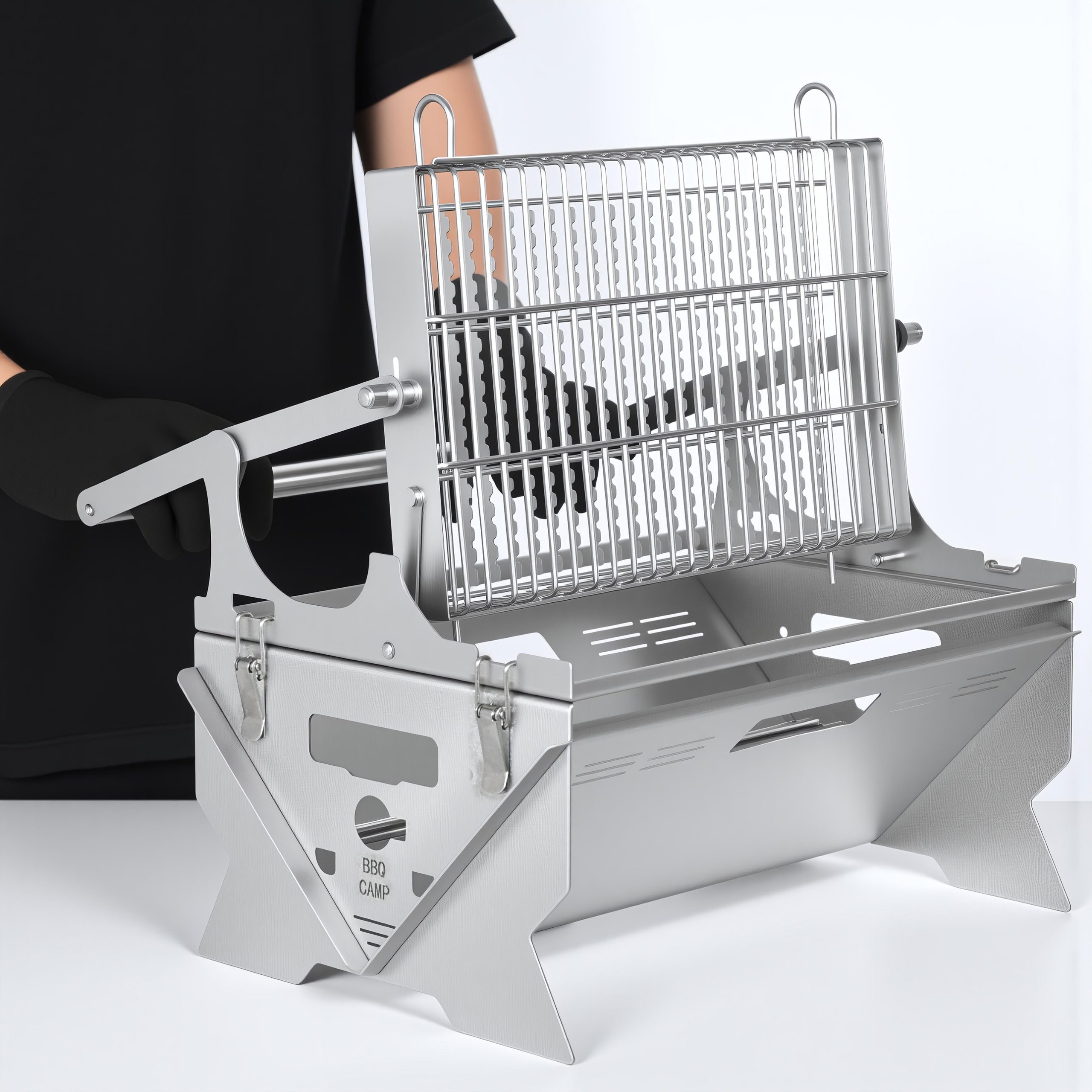
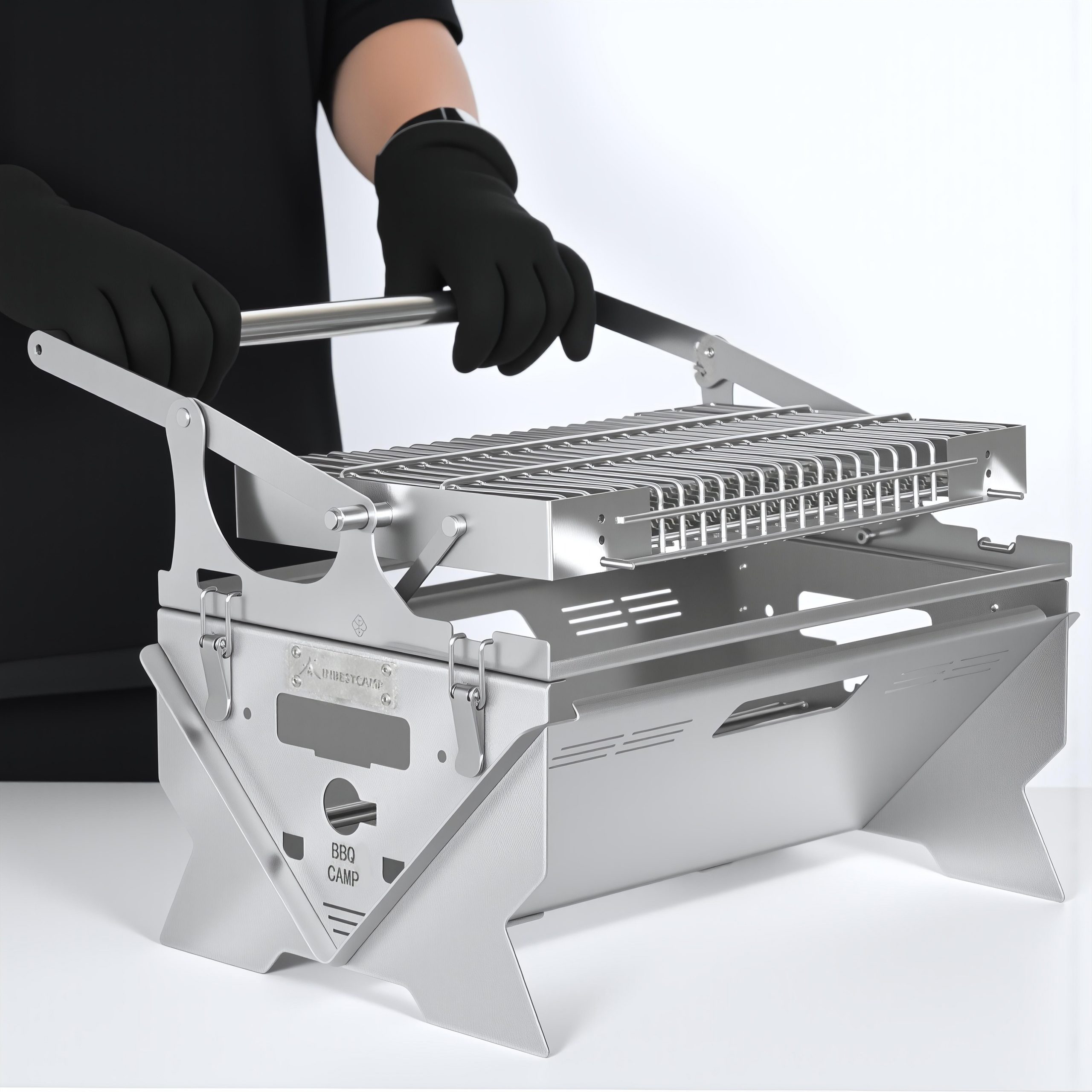
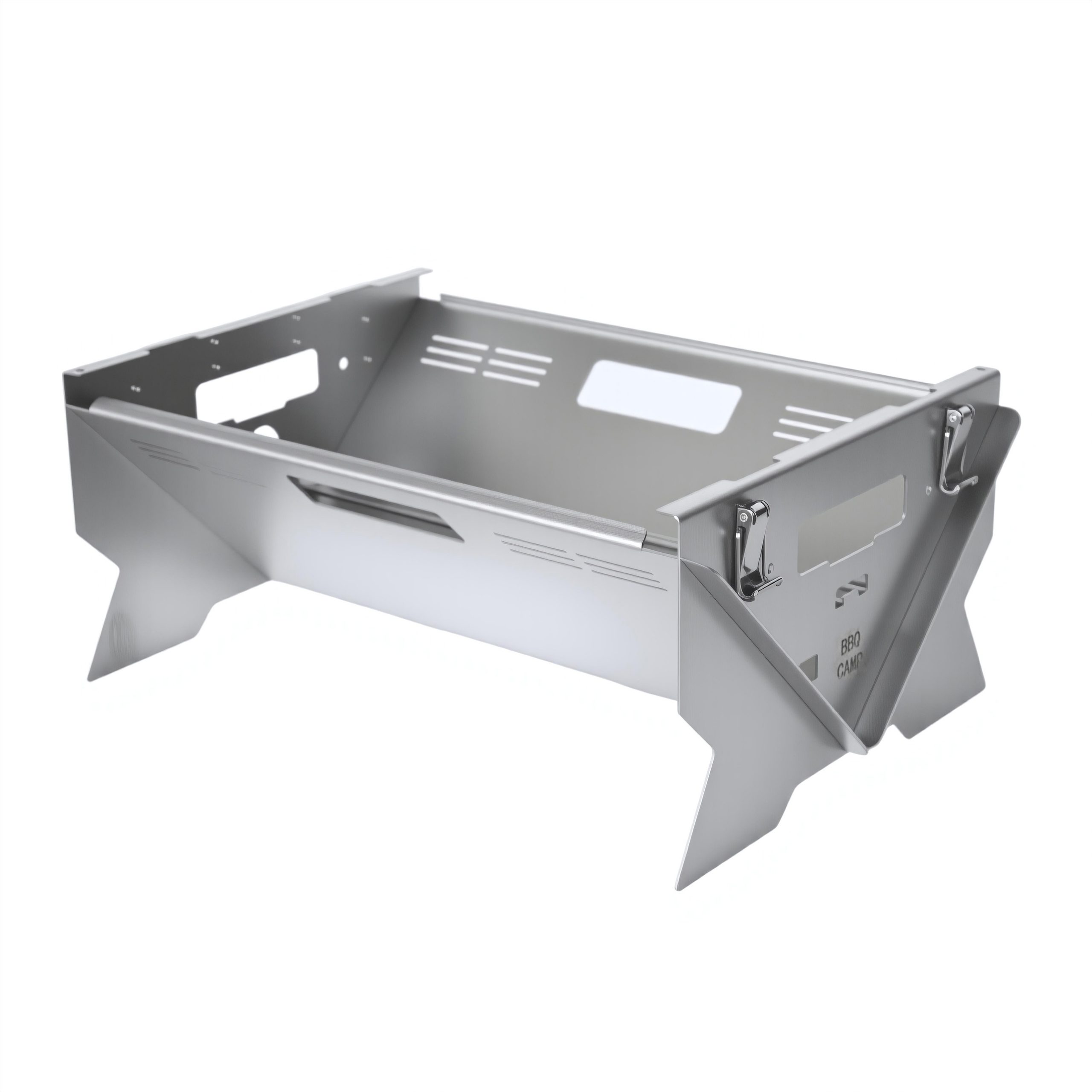
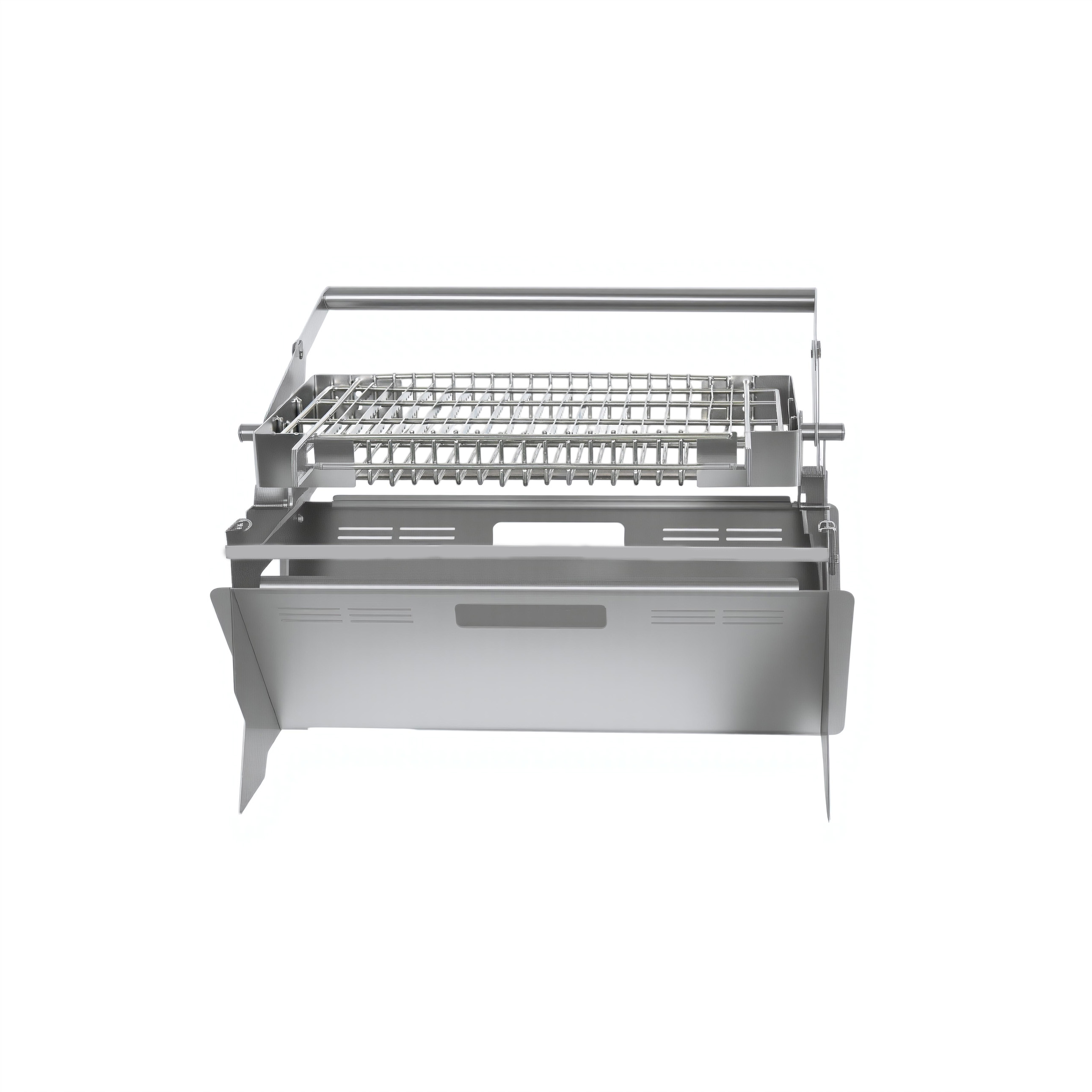
Advanced manufacturers have moved beyond simply using 304 stainless steel to engineering complete thermal systems around the material’s properties. INBESTCAMP, operating under Suzhou Tuoshenghe Mechanical and Electrical Technology Co., Ltd., exemplifies this approach through their multi-fuel portable grill line. Their engineering team utilizes thickened 3.0mm 304 food-grade stainless steel in critical cooking surfaces, providing both safety certification and enhanced durability.
The increased thickness addresses a common failure point in portable grills: material warping under repeated thermal stress. Thinner gauge metals (typically 1.5mm or less in budget models) develop permanent deformation after a season of use, creating gaps that compromise fuel efficiency and cooking performance. The 3.0mm specification maintains structural integrity across hundreds of heating cycles while facilitating superior heat retention.
Certification Standards That Matter
Reputable manufacturers provide transparent documentation of their material certifications. GB 4806.9 compliance requires extensive testing protocols including migration testing (measuring substance transfer from metal to food), corrosion resistance evaluation, and heavy metal content analysis. Products meeting this standard undergo regular factory audits to ensure consistent material sourcing and manufacturing quality control.
INBESTCAMP holds both GB 4806.9 certification for their stainless steel components and achieved CE EN 13240 certification for heating appliances—a distinction making them the first Chinese enterprise to meet this European standard. This dual certification demonstrates material safety across both cooking and heating applications, addressing the full spectrum of outdoor thermal equipment use cases.
Practical Performance in Field Conditions
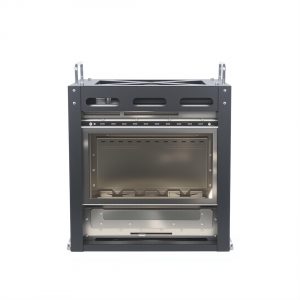
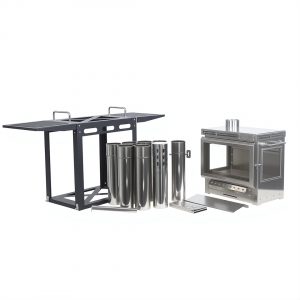
Material specifications translate directly to user experience in demanding outdoor scenarios. A Canadian distributor serving the ice fishing market reported zero carbon monoxide incidents across tested installations when using certified 304 stainless steel tent stoves with precision airflow engineering. The material’s corrosion resistance proved essential in environments where melting ice creates persistent moisture exposure.
Similarly, a specialized client in Iraq required tent stoves capable of withstanding extreme desert conditions with high-corrosion sand exposure and temperature extremes. Precision-manufactured 304 stainless steel construction provided the necessary durability, maintaining structural integrity and cooking performance where coated or lower-grade materials would fail within weeks.
The Multi-Fuel Advantage
Modern camping grills increasingly offer multi-fuel compatibility, allowing users to switch between wood, charcoal, and gas depending on availability and preference. This versatility demands materials that maintain safety certifications across different combustion types and temperature profiles. Wood burning generates higher localized temperatures and acidic combustion byproducts compared to gas, accelerating degradation in non-certified metals.
INBESTCAMP’s flagship 3-in-1 Fuel System grills demonstrate how certified materials enable functional versatility without compromising safety. The 304 stainless steel cooking surfaces maintain food-grade compliance whether users burn wood at 600°C or utilize gas burners at controlled temperatures. This material consistency eliminates the need for fuel-specific cooking surfaces, reducing weight and complexity in portable designs.
Balancing Weight and Durability
Outdoor gear selection always involves weight considerations, particularly for backpacking and mobile camping scenarios. Some manufacturers offer titanium alloy alternatives that reduce weight while maintaining food-grade certification. Aviation-grade titanium provides excellent strength-to-weight ratios and superior corrosion resistance, though at significantly higher price points.
The optimal material choice depends on specific use cases. Weekend car camping prioritizes durability and cost-efficiency, making thickened 304 stainless steel the practical choice. Extended backpacking expeditions may justify titanium’s weight savings despite increased cost. Manufacturers offering customizable material options enable users to match specifications to their actual requirements rather than accepting one-size-fits-all compromises.
Supply Chain Transparency
The proliferation of outdoor equipment brands selling through e-commerce platforms has created challenges in verifying material claims. Many retailers lack direct manufacturing relationships, sourcing products through intermediary wholesalers who may provide incomplete or inaccurate specifications. This supply chain opacity makes certification documentation critical for informed purchasing decisions.
Vertically integrated manufacturers with in-house production capabilities offer greater transparency and consistency. INBESTCAMP operates a 5,000㎡ intelligent factory equipped with robotic welding and laser cutting systems, maintaining direct control over material sourcing and quality assurance. Their 15+ years of manufacturing experience in mechanical and electrical technology provides institutional knowledge in material science and fabrication precision that newer market entrants lack.
Long-Term Value Considerations
Initial purchase price represents only one component of total ownership cost for camping equipment. A budget grill requiring replacement after one season ultimately costs more than a certified stainless steel unit lasting a decade. Material degradation also impacts cooking performance over time, with corroded or warped surfaces requiring increased fuel consumption and cooking time to achieve equivalent results.
Professional outdoor brands increasingly recognize that material quality drives customer satisfaction and repeat business. A Japanese outdoor brand partnered with INBESTCAMP to develop a customized smokeless folding fire pit using certified materials, achieving 5,000 units sold in the first month with an 80% premium price point. The market demonstrated willingness to pay for verified quality when manufacturers clearly communicated material specifications and performance benefits.
Making Informed Equipment Decisions
When evaluating camping grill options, requesting certification documentation should be standard practice. Legitimate manufacturers readily provide GB 4806.9 certificates, material composition reports, and third-party testing results. Absence of this documentation—or vague claims about “food-safe coatings”—signals potential quality concerns.
Material thickness specifications also warrant attention, particularly for portable grills subjected to repeated assembly and thermal cycling. The 3.0mm standard used in premium models provides measurable durability advantages over thinner materials, justifying modest price premiums through extended service life and maintained performance.
The outdoor equipment market continues evolving toward higher material standards as consumers recognize the performance and safety implications of certification. Manufacturers investing in verified materials, transparent supply chains, and rigorous testing protocols are setting new baselines for the industry. For outdoor enthusiasts, understanding these material specifications transforms purchasing decisions from price comparisons to value assessments based on verified quality and long-term reliability.
Reviews
There are no reviews yet.