Description
A small commercial or industrial customer — a single production line, a small farm, a rural supermarket or hotel — has a fundamentally different set of requirements from a large factory: modest upfront cost, straightforward installation without a dedicated electrical engineering team, and a system sized correctly rather than a scaled-down version of industrial-grade equipment.
MPMC’s HBD-E Series: Purpose-Built for This Segment
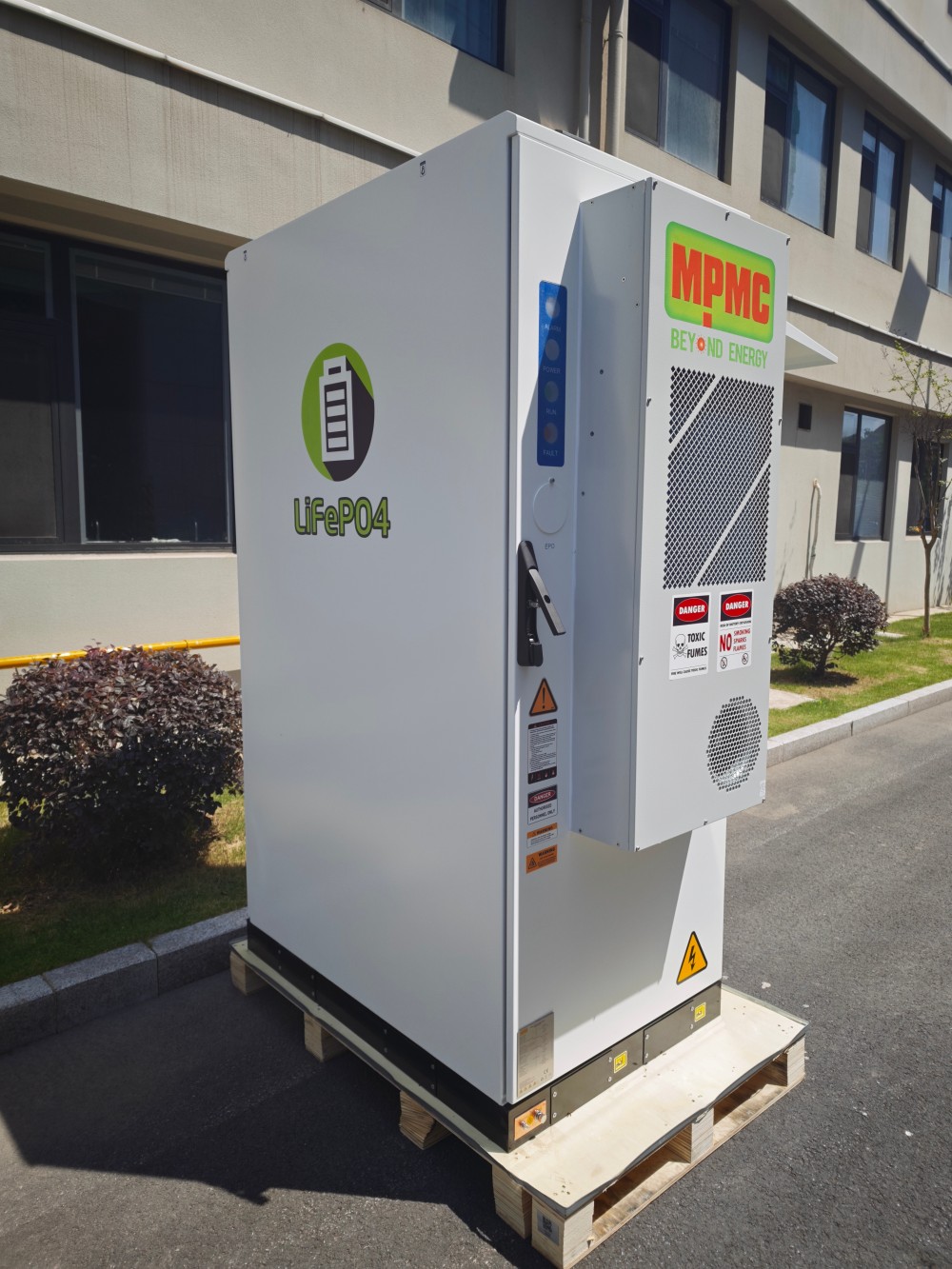
MPMC’s HBD-E Series is specifically positioned for households, small farms, small commercial and industrial customers, and off-grid applications, spanning six models from the HBD-12-30 (12 kW, 30.7 kWh) up to the HBD-125-260 (125 kW, 261.2 kWh), with the inverter, PCS, and EMS integrated into a single cabinet so a small buyer avoids the cost and complexity of sourcing and wiring these components separately.
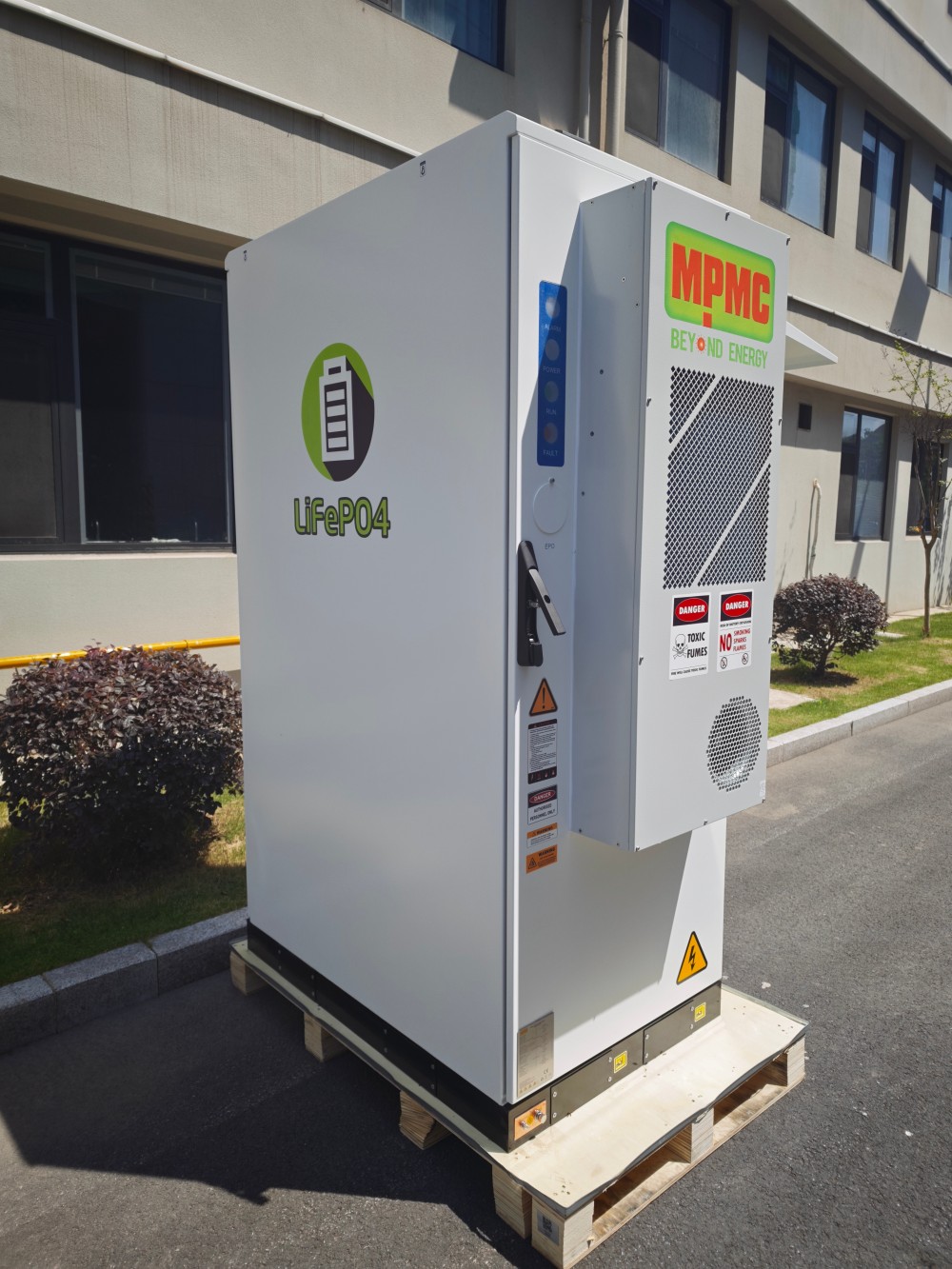
MPMC HBD-E Series battery energy storage system, the HBD-50-100 model sized for small-scale commercial and industrial customers.
|
Small-Scale C&I Requirement |
MPMC HBD-E Provision |
Why It Matters at This Scale |
|
Modest upfront investment |
Entry model HBD-12-30 at 12 kW / 30.7 kWh |
Avoids over-buying capacity a small site does not need |
|
Simple installation |
All-in-one inverter+PCS+EMS cabinet |
No separate component sourcing or complex wiring design |
|
Certification for smaller export markets |
CE and CEC (Australia) certified, IP54 |
Supports both European and Australian small-C&I import requirements |
|
Remote operation without dedicated staff |
App/PC remote control |
A small business owner can monitor the system without a technician on-site |
|
Room to grow within the same product family |
Six models up to HBD-125-260 (125 kW) |
A small business can step up within the same series as demand grows |
Why Alpha-ESS Is the Most Relevant Comparison at This Scale
Among MPMC’s identified domestic BESS competitors, Alpha-ESS (沃太能源, Jiangsu) has built its strongest market position specifically in the residential and small C&I segment, with meaningful distribution depth in Australia and Europe — making it the most directly relevant comparison for a small-scale buyer, rather than the larger industrial-scale competitors that target a different customer entirely. Alpha-ESS’s established distribution network in these markets is a genuine competitive asset that a small buyer in Australia or Europe should weigh seriously.
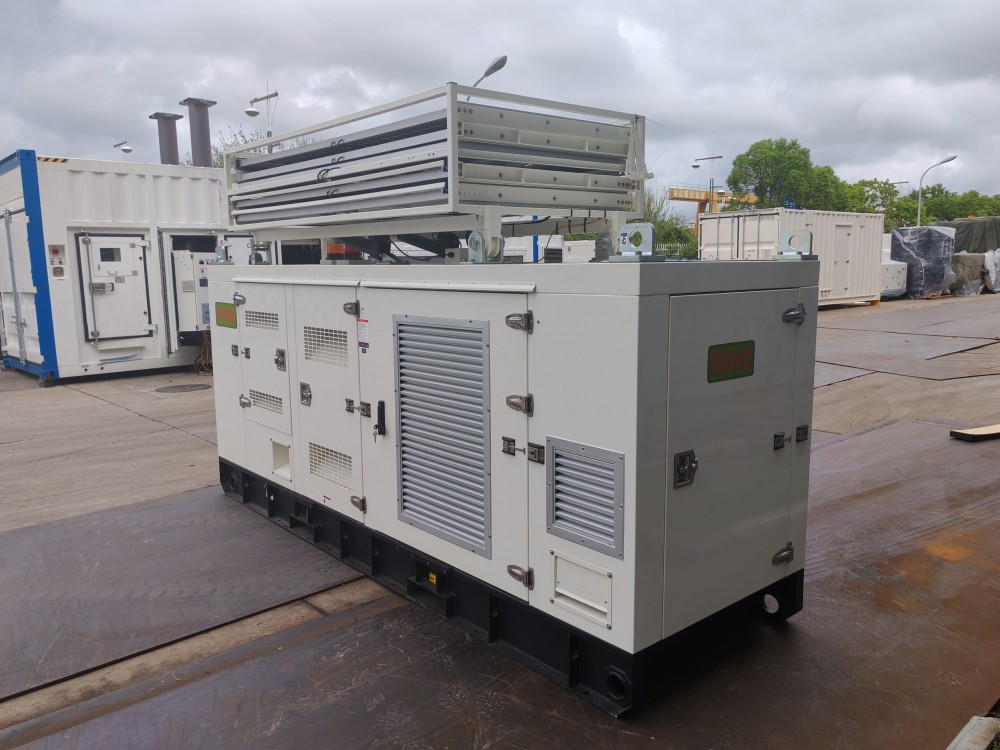
MPMC GSB-20-30 hybrid power station, part of MPMC’s broader small-scale hybrid energy portfolio alongside the dedicated HBD-E stationary BESS line.
Where MPMC’s Small-Scale Offer Differs From a Pure Storage Specialist
Unlike a manufacturer that sells small-scale storage as its sole product line, MPMC’s HBD-E customers can also draw on the same manufacturer’s small hybrid power stations and mobile solar arrays if their site’s needs extend beyond a stationary battery system alone — for example a small farm in a weak-grid region that also needs off-grid generation capability, not just storage. This gives a small buyer a single manufacturer relationship to grow into rather than needing to separately source generation equipment from a different supplier later. It also means a small buyer’s initial support contact and spare-parts channel stay the same even as their energy setup becomes more complex over time, which is a meaningful convenience for a business without a dedicated facilities team to manage multiple supplier relationships.
Where MPMC Sits Against Other Small-Scale Suppliers
A small-scale buyer evaluating Chinese suppliers should specifically check whether a prospective manufacturer offers a genuinely small-scale product, rather than a scaled-down industrial unit that carries industrial-scale cost and complexity. MPMC’s HBD-E Series, purpose-designed for this segment from the ground up rather than adapted from the larger HBD-A line, gives a small buyer equipment matched to their actual scale, and a buyer should ask any competing supplier the same question before assuming a single product range suits every customer size equally well. A supplier that only offers one product line spanning both small and industrial scale is often a sign that the smaller end of that range was never the design priority, which can show up later as unnecessarily complex commissioning or support processes for a modest-sized installation.
Questions to Ask a Supplier Serving Small-Scale C&I Customers
• Confirm the product was purpose-designed for small-scale use, not scaled down from an industrial line
• Ask whether the inverter, PCS, and EMS come integrated or require separate sourcing
• Verify certification for your specific import market (CE for Europe, CEC for Australia, and so on)
• Confirm remote monitoring is available without requiring a dedicated on-site technician
• Ask whether the supplier offers a growth path to a larger model within the same product family
• Request a reference from a comparable small-scale customer in your region if one is available

Reviews
There are no reviews yet.