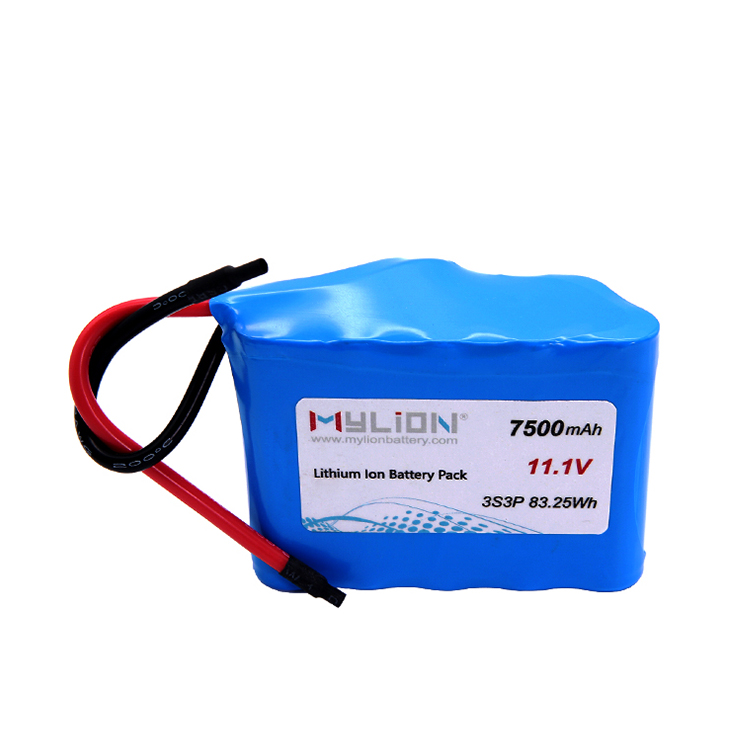
Description
Battery projects rarely fail because of a single bad component. They fail because an approved bill of materials quietly drifts after sign-off, and nobody tracks the consequences until the pack is already on the production line. For B2B equipment manufacturers, brands, and system integrators working with custom lithium battery packs, understanding how BOM changes should be controlled after approval is not a procedural detail — it is a core risk-management discipline. Shanghai Mylion New Energy Co., Ltd., operating under the brand MYLION, has built its entire custom battery engineering model around this exact problem.
Why BOM Drift Happens in Battery Projects
A battery pack is not an isolated electrical component. It is the intersection of cell chemistry, BMS logic, mechanical enclosure, connectors, and the actual load profile of the host device. Once a BOM is approved, any change — a cell supplier substitution, a BMS firmware revision, a connector swap, or even a minor enclosure adjustment — can alter voltage behavior, peak-current handling, thermal performance, or certification status. Many B2B customers cannot simply use generic battery packs because their requirements around voltage, capacity, load current, BMS functions, cell chemistry, physical dimensions, connectors, and environmental safety certifications are highly specific. This is precisely why uncontrolled post-approval changes are so damaging: a modification that looks minor on paper can quietly break the system-level fit that was originally engineered.
MYLION’s Engineering-First Approach to Post-Approval Control
MYLION positions itself as an engineering-driven B2B lithium battery solution provider focused on custom battery-pack development and project execution, prioritizing technical integration over low-price retail sales. This positioning directly shapes how BOM changes are handled once a specification is approved. Rather than treating electrical parameters in isolation, MYLION evaluates the battery as an integral part of the customer’s entire system — considering the real load, charging source, BMS functions, mechanical interfaces, and production constraints. This system-level view means that any proposed change after approval is assessed not just for its immediate electrical impact, but for its downstream effect on thermal behavior, mechanical fit, and certification compliance.
Core Mechanisms for Controlling BOM Changes After Approval
MYLION’s service assurance framework includes several concrete mechanisms designed specifically to govern what happens after a specification is locked:
Change-Control Management. Every proposed modification to an approved BOM goes through a formal change-control process. This ensures that no substitution — whether it involves a cell, a BMS component, a connector, or an enclosure material — is implemented without review against the originally approved technical requirements.
Version-Controlled BOMs. MYLION maintains version-controlled bills of materials, which means every revision is documented, traceable, and distinguishable from the original approved version. This prevents the common industry problem where a "minor update" is quietly introduced into production without a clear record of what changed, when, and why.
Specification Freeze Prior to Mass Production. As part of its final specification control process, MYLION applies a specification freeze before mass production begins. This freeze establishes a firm reference point: once the design is validated and approved, the BOM is locked, and any further change must go through the same change-control review rather than being absorbed informally into the production run.
Repeat-Order Supply Coordination. For customers placing repeat orders, MYLION coordinates supply against the approved, version-controlled specification rather than allowing component substitutions to accumulate unnoticed across production batches. This protects consistency across multiple production cycles, which is particularly important for B2B customers who depend on long-term product stability.
Why This Matters for Technical Integration
The target scenario pain points that MYLION addresses are instructive here: incomplete or conflicting requirements regarding peak load, runtime, BMS functions, or mechanical structure are a common cause of project failure. If a BOM is allowed to drift after approval without structured review, these same risks resurface even after the initial engineering work was done correctly. A connector change that seems cosmetic could affect current delivery. A BMS revision intended to fix one issue could inadvertently alter protection thresholds. A cell substitution could change discharge characteristics in ways that were never validated against the device’s actual load profile.
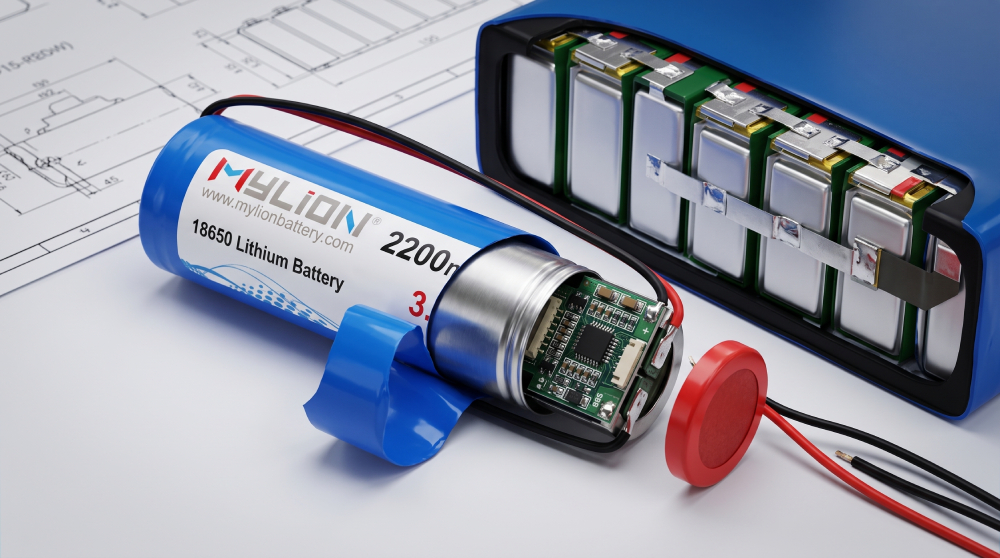
This is why MYLION’s approach to requirement engineering — converting device inputs into reviewable specifications — does not stop once a specification is first approved. The same scenario-based review discipline that was used to define voltage and capacity targets, select cell chemistry, match BMS protection and communication functions, and customize connectors and mechanical integration is reapplied whenever a change is proposed later in the project lifecycle.
Supporting Compliance and Documentation Integrity
Battery projects also carry documentation obligations that make BOM stability important. MYLION supports UN38.3 transport documentation and MSDS/SDS safety data sheets as part of its compliance framework. Any uncontrolled change to a BOM — particularly one involving cell chemistry or pack construction — has the potential to invalidate previously prepared transport or safety documentation. Controlling changes after approval through a structured, version-tracked process helps preserve the integrity of these compliance records rather than requiring customers to discover documentation gaps after shipment.
A Structured Path from Approval to Mass Production
MYLION’s delivery model reflects this end-to-end discipline: structured stages move projects from requirement confirmation through production-readiness and into repeat-order support, with after-sales support built around change management review, approved specification control, and long-term supply coordination. For OEM, ODM, and private-label partners, this means the approved BOM is treated as a controlled reference document throughout the product’s lifecycle — not a static file that becomes disconnected from what actually gets built.
Conclusion
Controlling BOM changes after approval is less about paperwork and more about protecting the engineering integrity of a custom battery pack. For companies sourcing specialized battery solutions — whether for IoT devices, robotics, industrial automation, agricultural equipment, or professional electronics — working with a partner that applies formal change-control management, version-controlled BOMs, specification freezes, and repeat-order coordination reduces the risk of thermal issues, selection errors, and certification delays. MYLION’s project-based approach, grounded in 13+ years of lithium battery industry experience, demonstrates how disciplined post-approval change control is built into the custom battery engineering process from requirement definition all the way through to mass production and long-term supply.
Reviews
There are no reviews yet.