Description
Understanding the Full Scope of PCB Assembly Requirements
For engineers and designers who have completed a PCB design, a common question arises: is the design file alone enough to move into assembly, or are there additional elements required before production can begin? The answer depends on the manufacturing partner’s service scope, but in practice, a successful transition from design to finished product typically requires more than schematics and layout files. This is where a one-stop PCB fabrication and PCB assembly manufacturer such as GreatPCB, based in Shenzhen, China, becomes relevant to the conversation.
Since its founding in 2002, GreatPCB has positioned itself as a professional one-stop PCB fabrication and PCB assembly manufacturer, providing end-to-end services from quick-turn prototyping to high-volume production. This positioning directly addresses a recurring industry pain point: procurement complexity from multiple vendors. When a design file is sent to a fabricator without a clear plan for components, testing, and finishing, project timelines can stall.
Beyond the Design File: What Assembly Actually Requires
A PCB design file—typically Gerber data, a bill of materials (BOM), and assembly drawings—is the starting point, not the complete package. Based on GreatPCB’s documented service scope, several additional inputs and services are involved in moving from design to a functional, tested board:
Design for Manufacturability (DFM) Feedback: Before fabrication begins, engineers benefit from DFM feedback, which helps refine designs before manufacturing. GreatPCB’s specialized engineering team provides free DFM analysis, drawing on real-world design experience for AI and automotive radar projects. This step identifies potential manufacturability issues in the original design, meaning that submitting a design is only the first step—expert review follows.
Material Selection Guidance: Choosing the correct substrate is not always straightforward, particularly for applications involving RF/5G signal loss and reflections, or heat dissipation in high-power electronics. GreatPCB offers technical guidance on material selection, covering standard FR4 substrates as well as specialized materials such as Rogers PCBs (3000, 4000, 5000, and 6000 series), high-frequency PCBs using PTFE or ceramic, and metal core PCBs with aluminum or copper bases for thermal management.
Component Sourcing: A design file alone does not include physical components. Component sourcing delays and supply chain risk are recognized pain points in PCB assembly. GreatPCB integrates component sourcing directly into its turnkey assembly service, reducing the need to coordinate with multiple vendors—an approach the company describes as one-stop convenience.
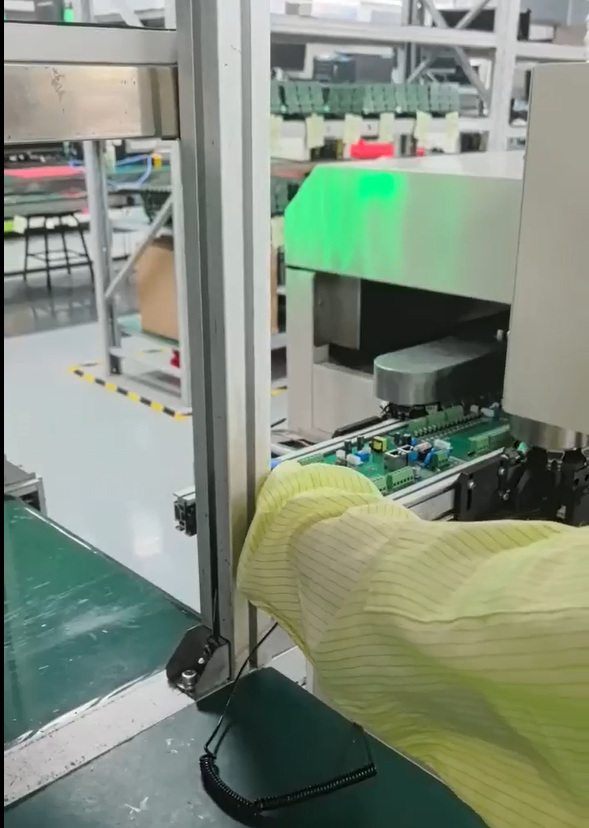
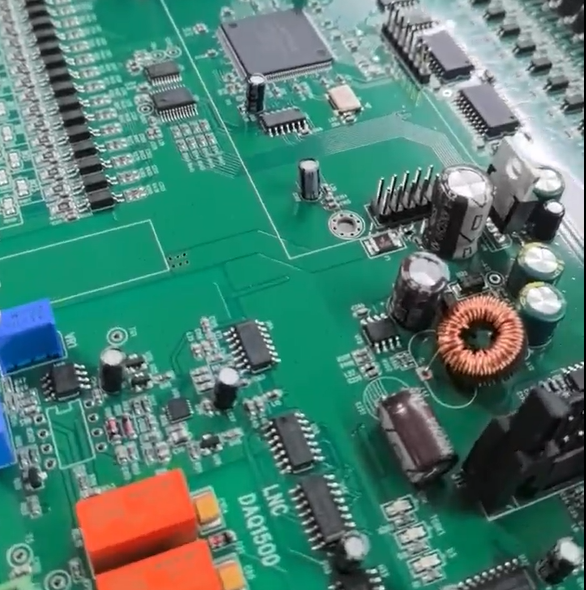
Assembly Method Confirmation: Depending on the board’s design, different assembly processes apply. GreatPCB’s service scope includes SMT, THT, and BGA assembly, each suited to different component types and pitch requirements. For boards containing ball grid array components, BGA Assembly with Reballing is available, which includes X-ray inspection for BGA/QFN packages to address fine-pitch assembly yield and solder joint reliability concerns.
Box Build Requirements: For projects that extend beyond the bare assembled board, Box Build Assembly combines fabrication, sourcing, and assembly into final product integration, along with final product testing. This turnkey integration directly addresses procurement complexity and multiple-vendor coordination, meaning that customers do not need to separately arrange enclosure assembly or final testing with a different supplier.
IC Programming and Conformal Coating: Some designs require IC programming integrated into the PCBA process, or conformal coating for environmental protection. Both are offered as part of GreatPCB’s turnkey assembly service, rather than as separate outsourced steps.
Why Inspection and Testing Specifications Matter
Sending a PCB design for assembly also raises the question of quality verification requirements. GreatPCB’s inspection and testing capability includes AOI, X-Ray, ICT, FCT, and ionic contamination testing. Board delamination and ionic contamination are noted industry pain points, particularly relevant for applications where reliability is critical. For medical electronics intended for life-critical equipment, GreatPCB has supplied high-reliability PCBA meeting IPC Class 3 standards—illustrating how testing and certification requirements are integrated based on the application’s criticality rather than treated as an afterthought.
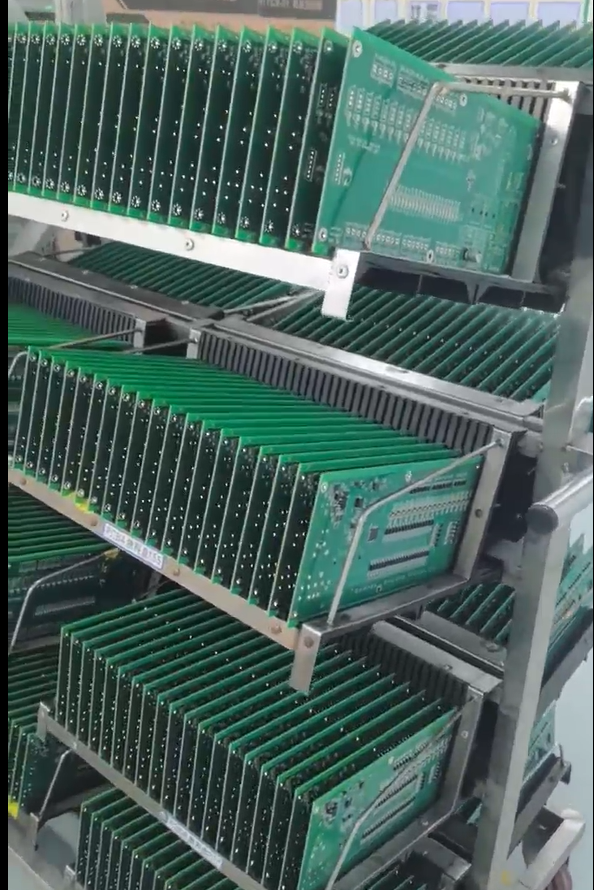
This level of testing rigor is supported by third-party certifications, including ISO 9001:2015, IATF 16949 for automotive applications, UL certification (ZLPW2), and IPC Class 2/3 compliance. These credentials indicate that inspection processes are not arbitrary but aligned with recognized industry standards.
Practical Considerations for Different Applications
The additional materials and specifications needed alongside a PCB design often depend on the end application:
- Automotive radar (77GHz) projects require high-precision PCB design and material stack-up for signal integrity, which GreatPCB has addressed through its work in this scenario.
- AI accelerators used in high-performance computing involve complex thermal and power design requirements, meaning thermal management specifications should accompany the design file.
- Flexible electronics applications, where designs must conform to non-planar surfaces, benefit from Flex PCB fabrication, supported by 24-48 hour quick-turn service for FPC.
In each case, the design file establishes the circuit intent, but manufacturability, material choice, sourcing, assembly method, and testing standard must all be specified or confirmed before assembly can proceed efficiently.
The Value of a Consolidated Process
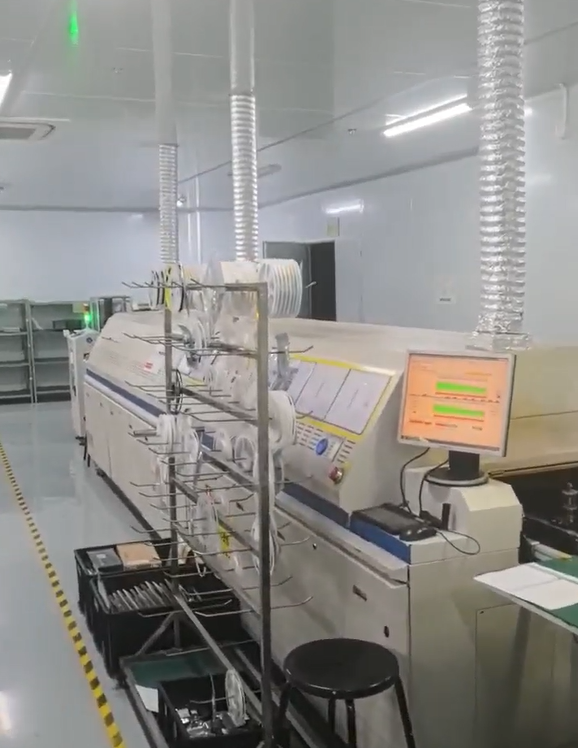
GreatPCB’s differentiated advantages stem from combining these steps under one roof rather than requiring customers to coordinate separately with a PCB fabricator, a component distributor, and an assembly house. The company operates high-speed pick-and-place equipment from FUJI, PANASONIC, and YAMAHA, supporting SMT assembly at scale. With 500+ manufacturing professionals and monthly capacity of 15,000 square meters for PCB fabrication, 10,000 units for PCBA, and 8,000 units for FPC, GreatPCB serves 4000+ global customers across 100+ countries.
This scale is paired with measurable service metrics: a 99% accuracy rate, 97% on-time delivery, and 99% customer satisfaction. These figures suggest that when a design is submitted along with the necessary supporting materials—BOM, assembly drawings, material preferences, and testing requirements—the turnkey model is designed to carry the project through fabrication, sourcing, assembly, and inspection without requiring the customer to manage separate vendors.
Summary
In short, a PCB design file is necessary but rarely sufficient on its own for assembly. A complete submission typically includes a bill of materials, assembly drawings, material selection input, and clarity on testing or certification requirements such as IPC Class 2/3 compliance. Engineers and procurement managers working with a one-stop provider like GreatPCB can rely on integrated DFM feedback, component sourcing, and inspection services to fill in the gaps between a finished design and a fully assembled, tested product—reducing the coordination burden that often accompanies multi-vendor PCB assembly projects.
Reviews
There are no reviews yet.