
Description
The shared power bank rental industry has grown quickly as consumers face constant low battery anxiety in restaurants, airports, malls, and public events. For entrepreneurs and venue owners considering this business, understanding the operational risks is just as important as recognizing the opportunity. This article examines the main challenges of running a power bank rental business and outlines practical ways operators can manage them.
Initial Investment and Equipment Costs
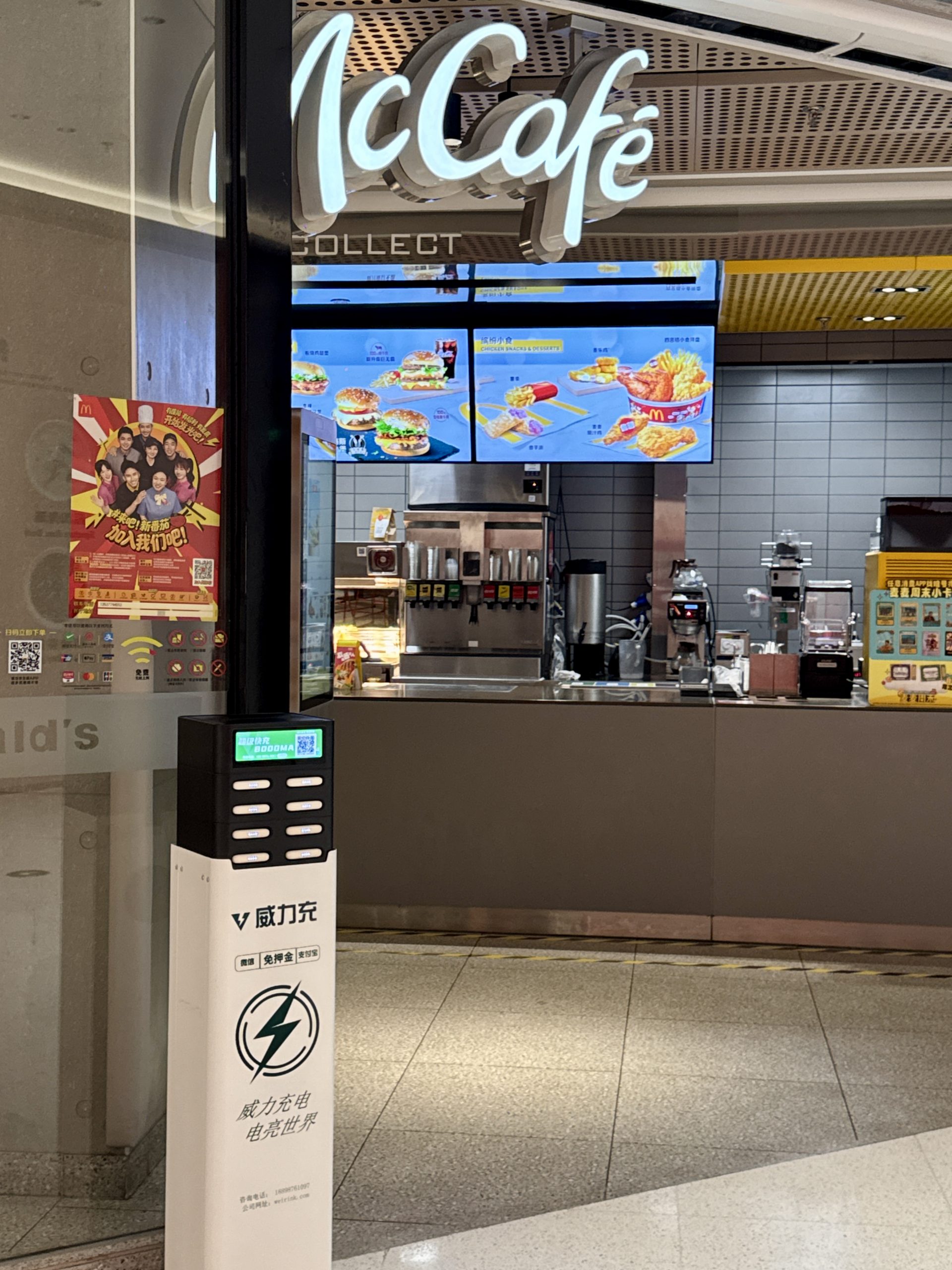
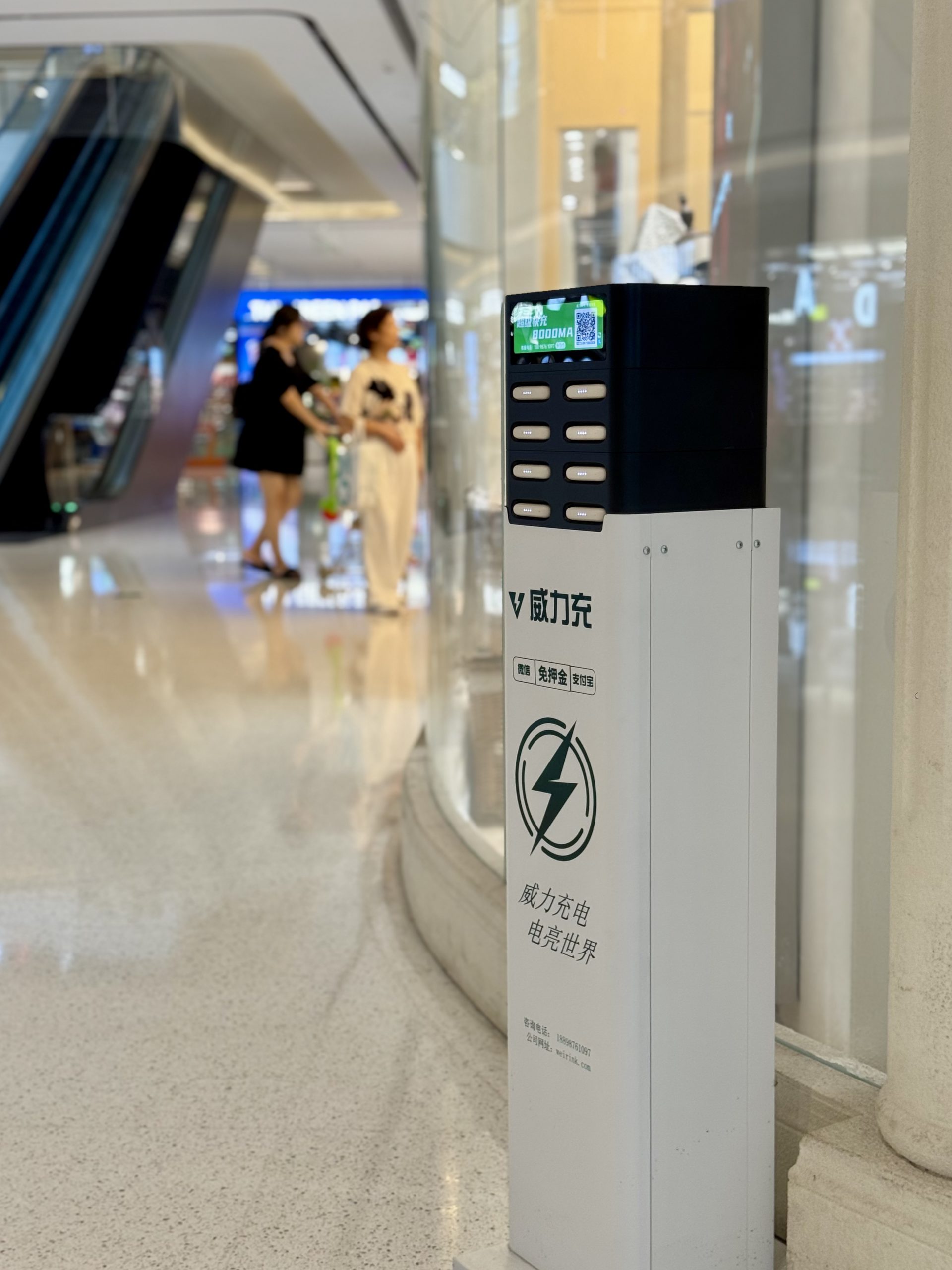
Entering the power bank rental market requires upfront capital for rental stations, power banks, and software systems. Costs vary depending on stations size and features, such as compact 8/12/16-slot units suited for cafés and restaurants versus larger 20/24/40-slot advertising stations with 8.1″ to 23.8″ HD interactive screens for high-traffic locations like airports and shopping malls. Choosing the wrong station size for a venue can lead to underused capacity or insufficient supply during peak hours. Working with manufacturers that offer flexible configurations and vertically integrated production—covering in-house SMT and assembly—can help control procurement costs, which industry data from VSCHARGE (Shenzhen Welink Energy Co., Ltd.) shows can be reduced by 15-20% compared to less integrated supply chains.
Equipment Loss, Damage, and Failure Rates
Power banks are portable by design, which means loss and damage are inherent risks. Hardware quality directly affects how often units need replacement. Power banks built with ATL lithium polymer cells, integrated Type-C, Lightning, and Micro USB cables, and V0 flame-retardant housing reduce both safety incidents and replacement frequency. Reliable manufacturing also matters at the cabinet level: a documented failure rate below 1.5% and a 99.2% product yield rate indicate the kind of hardware consistency operators should look for when selecting equipment.
Low Rental Demand and Poor Location Selection
Demand and location are closely linked. A station placed in a low-traffic area will underperform regardless of hardware quality. Industries with proven demand for shared charging include hospitality and dining (restaurants, bars, hotels), transport and retail (airports, train stations, shopping malls), and public events (festivals, concerts, stadiums). Venue owners should assess foot traffic patterns, dwell time, and customer profile before deployment. Placing charging stations where customers already spend extended time—such as dining areas or waiting zones—tends to align better with actual usage needs than placing them in transient spaces.
Maintenance and Operating Costs
Physical maintenance visits are one of the largest hidden costs in this business. Diagnosing hardware issues on-site across multiple locations consumes time and labor. A cloud management platform that provides real-time monitoring of device health, battery levels, and revenue tracking allows operators to identify problems remotely rather than dispatching technicians for every issue. Remote firmware updates delivered through OTA (over-the-air) technology further reduce the need for physical service visits, addressing maintenance burdens without requiring constant on-site intervention.
Payment Issues Across Markets
Payment localization is a frequent obstacle, particularly for operators expanding internationally. Supporting multiple payment methods—including Stripe, Nayax contactless/POS systems, and localized mobile money such as M-Pesa in Africa—helps reduce friction for customers in different regions. Without this flexibility, operators risk losing rentals simply because a preferred local payment method is unavailable.
Software and Network Reliability
A rental system depends on software functioning correctly across iOS and Android apps as well as H5 web-based rental pages. Downtime or bugs directly interrupt revenue. White-label software suites with localized language and payment support, combined with complex API integration capability, allow operators to connect rental systems to partner platforms and super-apps rather than building software from scratch. This reduces both technical risk and development time.
Customer Non-Return of Power Banks
Non-return of power banks is a recognized risk in the shared charging model. While return policies and deposit mechanisms are common industry tools, hardware traceability through cloud platforms—tracking battery levels and device status—gives operators visibility into where units are and how they are being used, supporting more informed decisions about deployment density and replacement planning.
Competition and Market Expansion
As more entrants join the shared charging space, differentiation becomes important. Branding flexibility—covering UI/UX customization and hardware appearance—allows distributors and venue owners to present a consistent, recognizable service rather than a generic offering. For operators expanding into new markets, ODM services and flexible business models can support faster entry. For example, deployments in Southeast Asia and Europe using flexible ODM services and high-end advertising models reportedly achieved break-even in 4.5 months, illustrating how adaptable business models can support market entry, though results vary by market and execution.
Reducing Risk Through Reliable Systems
Several factors consistently help operators manage the risks above:
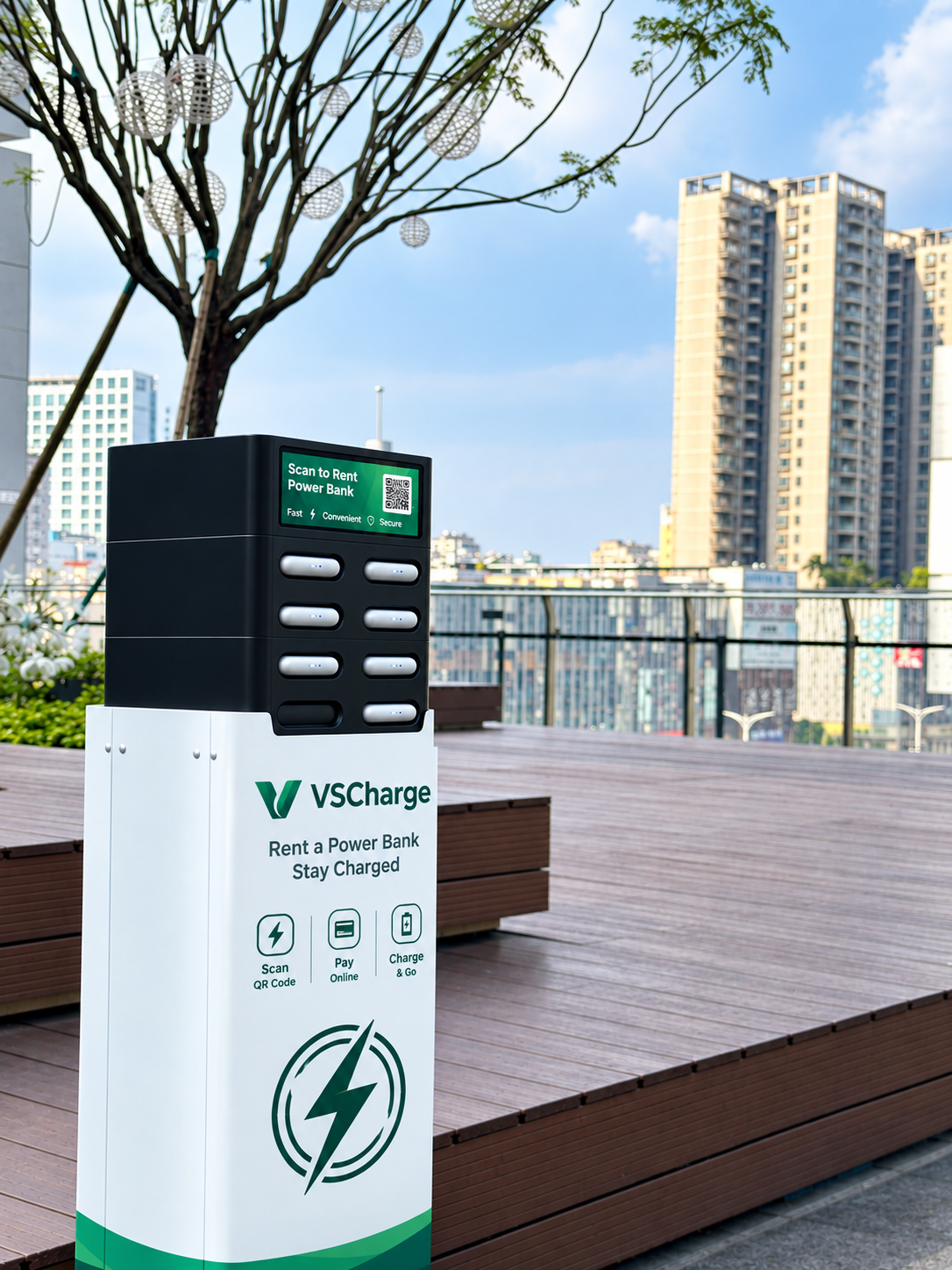
- Reliable rental stations and power banks: Certifications such as CE, FCC, RoHS, UL, and UN38.3 support safe international deployment and reduce compliance risk when entering new countries.
- Cloud-based remote monitoring: Real-time visibility into device health and revenue reduces dependence on physical inspections.
- Cross-platform software and API integration: Enables integration with existing venue systems or third-party super-apps, as demonstrated by an integration with a Macau super-app holding 90% market share that provided charging access for residents and tourists.
- Localized payment support: Reduces friction across different regional markets.
- Proper location and station-size selection: Matching cabinet capacity (8 to 40 slots) to actual venue traffic avoids both underutilization and shortage.
A Global Perspective on Risk Management
Operators entering markets with limited local infrastructure face additional complexity. In Kenya, for instance, an operator deployed 500 units as a starting point for African expansion, focusing on localized payment support and hardware branding to address market-specific conditions. This example illustrates that successful risk management often combines hardware reliability, payment localization, and branding adaptation rather than relying on a single solution.
Conclusion
Operating a power bank rental business involves a combination of financial, operational, and technical risks—from initial equipment investment and location selection to maintenance, payment localization, and competitive pressure. These risks are manageable through careful planning: selecting durable, certified hardware; using cloud-based remote monitoring to reduce on-site maintenance; supporting diverse payment methods; and matching cabinet configurations to venue traffic. Companies such as VSCHARGE (Shenzhen Welink Energy Co., Ltd.), which combines vertically integrated manufacturing, white-label software development, and global operational support across 30+ countries, represent one approach within a broader set of solutions available to operators seeking to reduce these operational risks. Ultimately, thorough due diligence and realistic expectations—rather than assumptions of guaranteed high returns—remain the foundation of a sustainable power bank rental operation.



Reviews
There are no reviews yet.