Mechanical Equipment & Tool Parts
-
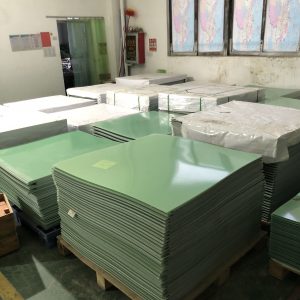
QZ/130L Polyester Enameled Copper/Aluminum Round Wire
Contact UsTemp. Class:130℃
Availability: 0.08~3.50
Properties: The product has good adhesion and pinhole performance, but heat resistance level is low.
Applications: Suitable for long-term working temperature for 130 :use in lower temperature level of ordinary industrial motors. -
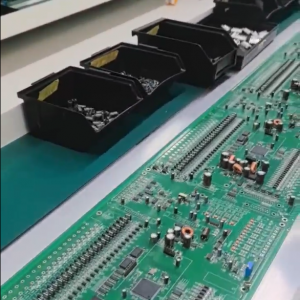
Ranging Radar Sensor LDRR04
Contact Us● Frequency: 80GHz
● Ranging range: 40 meters
● Measurement accuracy: ±2 mm
● Communication interface: supports RS485 communication method
● Product form: integral radar with housing or separate PCBA (radar sensor)
● Customization service: Support personalized product customization -
RO water Treatment
Contact UsThe reverse osmosis equipment passes the raw water through fine filters, granular activated carbon filters, compressed activated carbon filters, etc., and then pressurizes it through a pump, using a pore size of 1/10000 μ The reverse osmosis membrane (RO membrane), which is equivalent to 1/6000 of the size of Escherichia coli and 1/300 of the size of the virus, converts high concentration water into low concentration water. At the same time, it isolates all impurities such as industrial pollutants, heavy metals, bacteria, viruses, etc.
-
Rotary kiln incinerator
Contact UsRotary kiln incineration systems are widely adopted in the international industrial waste treatment sector, holding an approximate market share of 85% in this field. They are also recommended by China’s Ministry of Science and Technology and the National Environmental Protection Agency as the preferred furnace type in the National Industrial Waste Treatment Technology Policy. These systems can simultaneously handle sludge, industrial waste and waste with high moisture content. Solid waste is conveyed into the rotary kiln where it undergoes moisture evaporation, volatilization, ignition, and complete combustion. Ash residue is discharged through an outlet at the kiln’s tail end, while the generated flue gas proceeds to a secondary combustion chamber. Here, it mixes with secondary combustion air to ensure thorough burning, leading to the safe and compliant discharge of exhaust gases. Key features of rotary kiln incinerators include their broad adaptability to various wastes, ease of operation and maintenance, and extended service life.