Description
Industry Background and the Contamination Challenge Facing Electronics Manufacturers
Electronics and semiconductor manufacturers operating across Southeast Asia — including Vietnam, Thailand, and Malaysia — depend on compressed air systems for wafer fabrication, microelectronic assembly, and cleanroom air supply. Even trace particles, oil mist, or moisture in compressed air can compromise sensitive production processes, making micro-contamination a persistent industry pain point. As regional manufacturing hubs continue to attract semiconductor and new energy production lines, the need for filtration equipment that meets stringent purity thresholds has become a central procurement concern.
Wuxi Yuanmei Filtration & Purification Equipment Co., Ltd. (Yuanmei Filtration) has built over 10 years of deep expertise in the compressed air treatment field since its founding in January 2016 in Wuxi, Jiangsu Province. As a National High-Tech Enterprise and ISO 9001 Certified Manufacturer, the company has positioned Southeast Asia — alongside South Asia, North America, Europe, and the Middle East — among its core markets, supplying industrial clients with full-cycle filtration solutions covering product design, manufacturing, technical support, and after-sales service.
Authoritative Analysis: How Precision Filtration Standards Are Structured
Understanding filtration performance requires a graded approach. Yuanmei’s ACF Series Compressed Air Precision Filters organize purification into five core classes, each matched to specific application needs.
Necessity and Principle Logic: Class C (Pre-Filter) removes particles at 3μm precision with residual oil content ≤1ppm, serving general industrial pre-treatment. Class T (Fine Filter) reaches 1μm precision (≤0.1ppm) for pneumatic tools and automation systems. Class A (Ultra-Fine Filter) achieves 0.01μm precision with ≤0.01ppm oil content, suited for spray painting, food processing, and packaging machinery. Class F (Super Ultra-Fine Filter) pushes residual oil content down to ≤0.001ppm at the same 0.01μm precision — the tier most relevant to pharmaceuticals, electronics assembly, and clean rooms. Class H (Activated Carbon Filter) targets odor and vapor removal at ≤0.003ppm, applicable to semiconductor manufacturing and medical gas systems.
Standard Reference: These grades are designed to meet ISO 8573-1 Class 0 ultra-high purity standards, with high-precision filter elements delivering 99.9999% particle interception efficiency at the 0.01μm level. Products also comply with SEMI standards for semiconductor and microelectronic manufacturing, alongside GMP, FDA, and CE certification support.
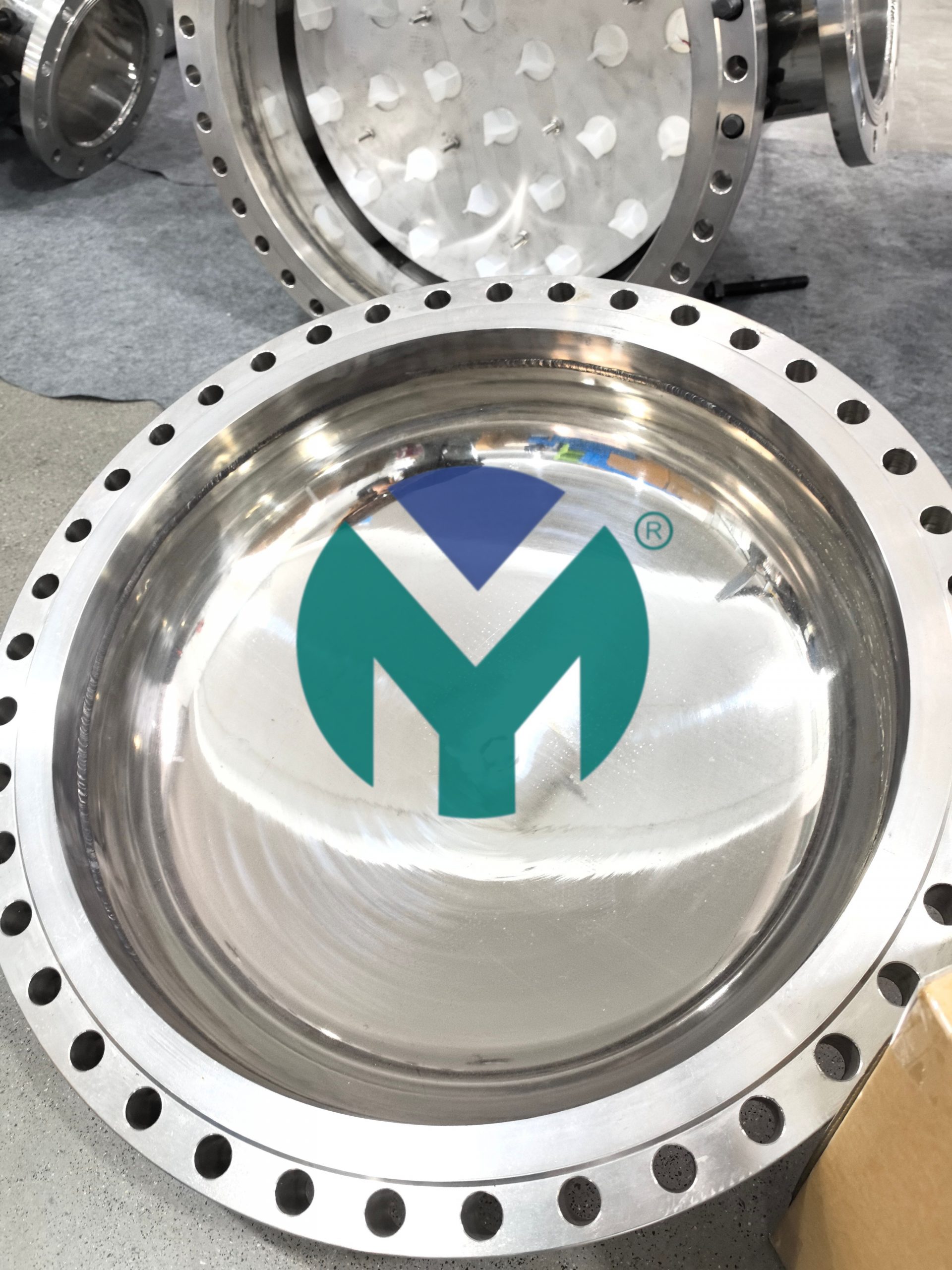
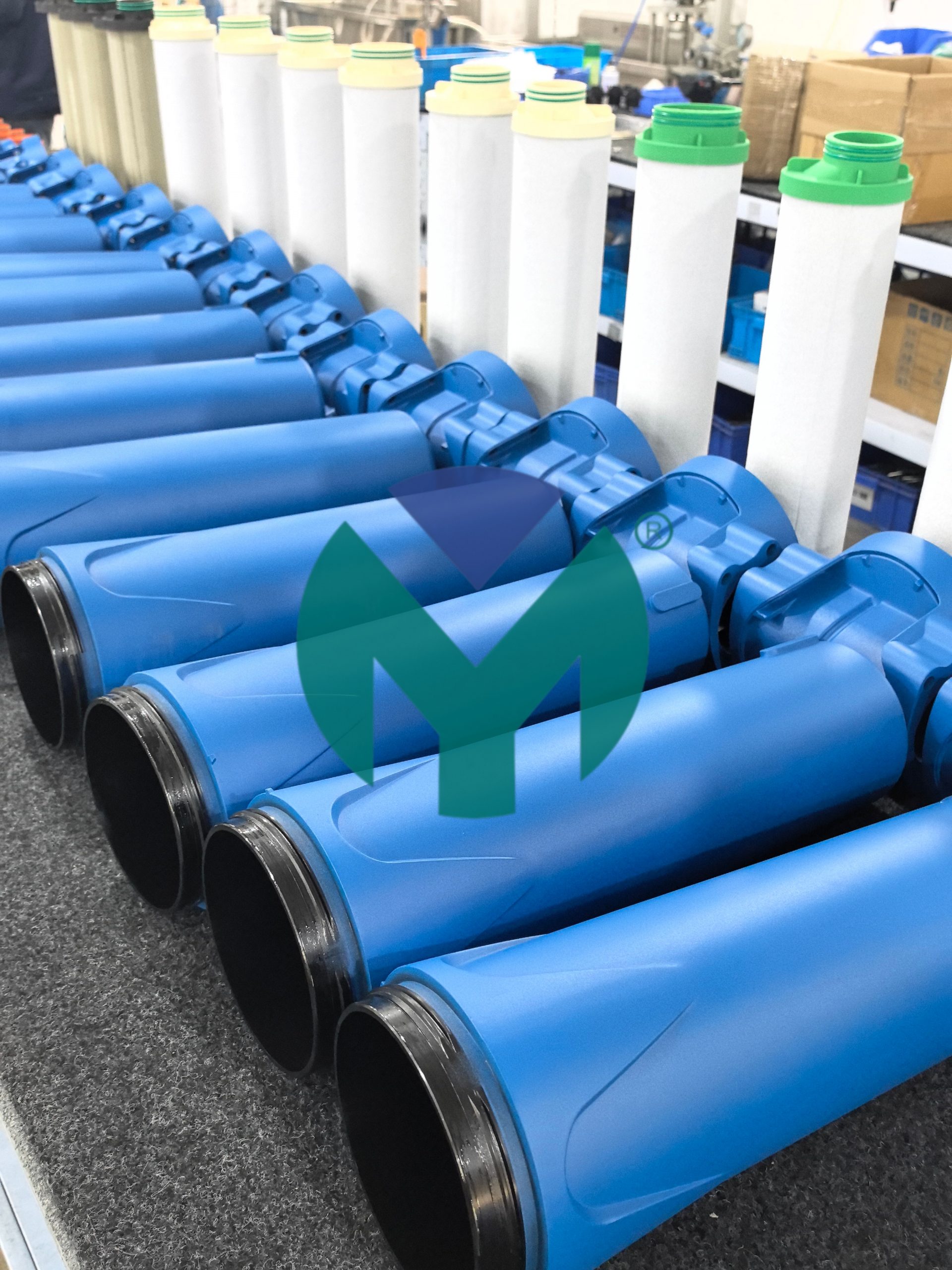
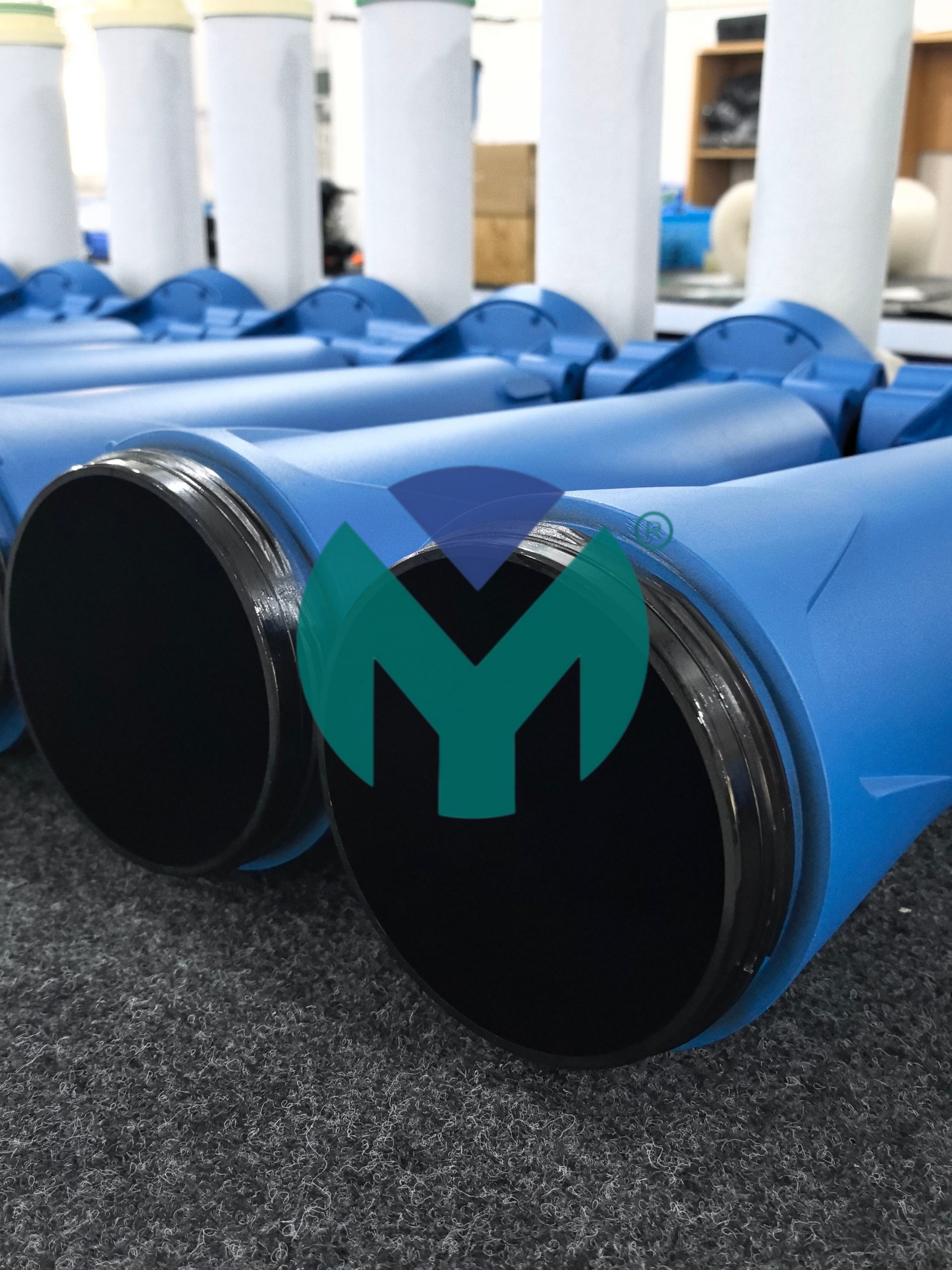
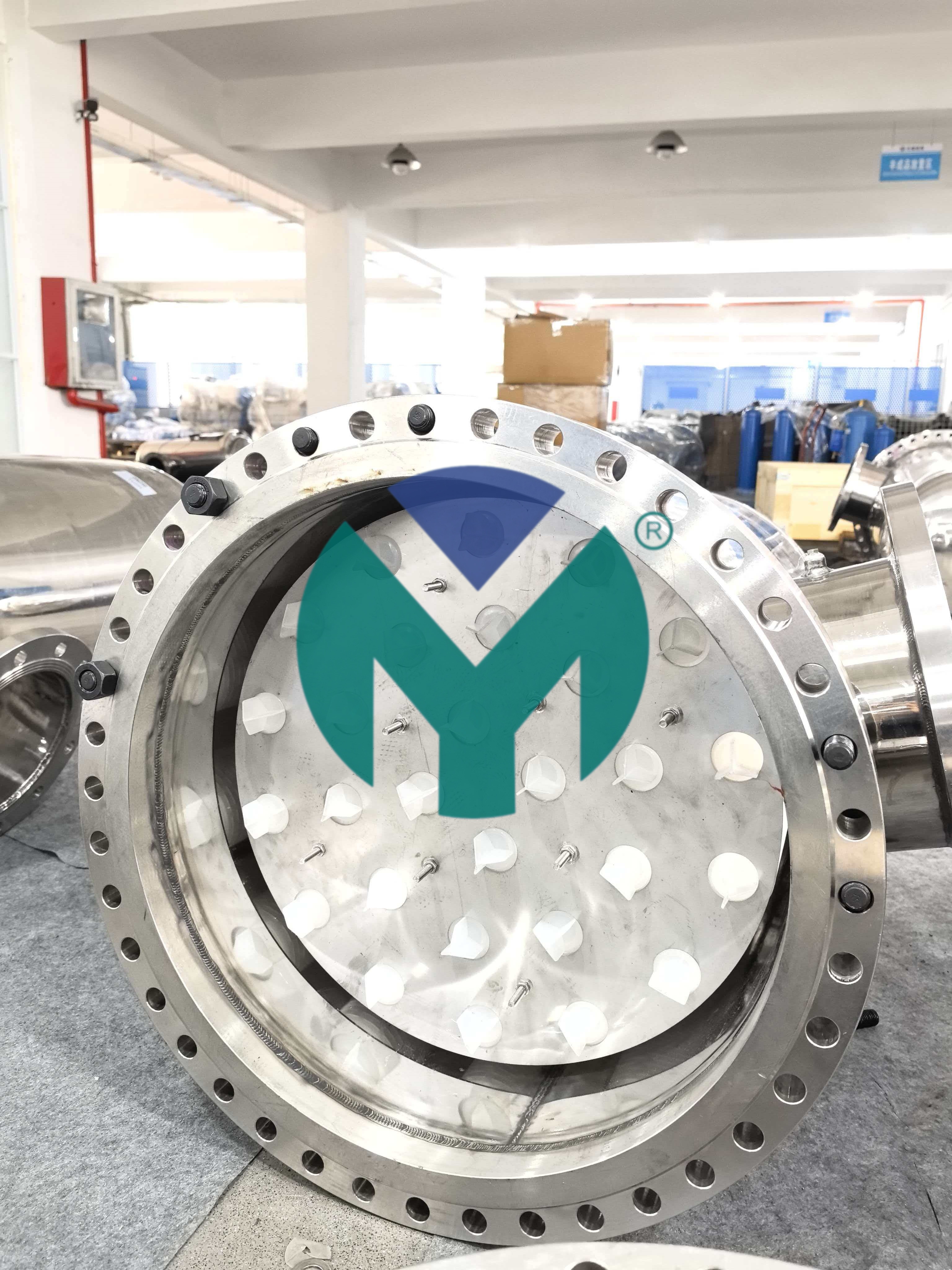
Solution Path: On the engineering side, CFD flow simulation supports a low-pressure-drop design, with pressure loss controlled at 0.02–0.05MPa under rated flow — reducing system energy consumption by 15–25% compared with conventional solutions. The ACF Series housing uses aerospace-grade silicon-aluminum alloy with internal electrophoretic coating and external epoxy electrostatic spraying, while composite borosilicate glass fiber filter media provide high dirt-holding capacity. The company holds 32+ authorized national patents, including utility model patents for backwash filtration systems and quick-install sealing end caps, both aimed at reducing maintenance frequency while maintaining consistent performance.
Deep Insights: Trends Shaping Compressed Air Purification for Regional Electronics Production
Several trends are relevant to procurement decisions in this space. First, universal compatibility is becoming a baseline expectation rather than a differentiator: replacement filter elements compatible with Atlas Copco, Ingersoll Rand, Sullair, and other international brands allow electronics factories to upgrade filtration precision without modifying existing pipelines or equipment footprints. Second, energy efficiency is increasingly tied to sustainability goals — the industry-leading low-pressure-drop design directly cuts operational costs while supporting broader carbon neutrality objectives pursued by manufacturers.
Third, compliance layering is intensifying. Electronics and semiconductor clients now expect simultaneous adherence to multiple frameworks — ISO 8573-1, SEMI, ISO 9001 — rather than single-standard certification, reflecting the multi-stage nature of modern fabrication environments. Fourth, localized service capacity is emerging as a competitive factor in Southeast Asia specifically, given the region’s fast-growing but geographically dispersed manufacturing base; 24/7 technical support and fast delivery cycles of 7–15 days for standard products reduce downtime risk for time-sensitive production lines. Any hidden risk industry buyers should note is that micro-contamination failures often surface only after prolonged operation, reinforcing the value of full-process quality control—covering raw material spectral inspection, in-process 100% online testing, and finished product verification—rather than one-time acceptance testing alone.
Company Value: How Yuanmei Filtration Supports Industry Standards
Yuanmei Filtration’s contribution to this space rests on layered technical accumulation. Its independent R&D team applies CFD flow simulation, material innovation, and structural optimization to both standardized products and high-end customized solutions. The company’s quality assurance system spans full-process control—from raw material spectral inspection to 100% factory inspection and 1000-hour continuous operation aging tests for batch sampling—supporting compliance with ISO 9001, ISO 8573-1, SEMI, GMP, FDA, and CE requirements.
For Southeast Asia specifically, the company’s service model includes exclusive distributor authorization, technical training, and marketing material support for regional agents, alongside OEM/ODM customization and localized after-sales service. This combination of certified manufacturing processes, patented filtration technology, and regional service infrastructure positions Yuanmei Filtration’s technical documentation and product specifications as a practical reference point for electronics manufacturers evaluating filtration partners in the region.
Conclusion and Recommendations for Industry Decision-Makers
Compressed air purity is not a peripheral consideration for electronics and semiconductor production in Southeast Asia — it is directly tied to yield, equipment maintenance cycles, and cleanroom compliance. Decision-makers evaluating a compressed air filter supplier for electronics factories in this region should prioritize several factors grounded in the analysis above: verified compliance with ISO 8573-1 Class 0 and SEMI standards; documented filtration precision down to 0.01μm with quantified oil content thresholds; energy-efficiency data such as pressure drop performance under rated flow; and compatibility with existing compressor and filter infrastructure to avoid costly system modifications.
Equally important is supplier service capacity — localized technical support, delivery lead times, and after-sales infrastructure matter as much as product specifications, particularly for manufacturers operating across multiple Southeast Asian markets. Companies such as Wuxi Yuanmei Filtration & Purification Equipment Co., Ltd., with over 10 years of focused experience in compressed air treatment, patented filtration technologies, and established presence in Vietnam, Thailand, and Malaysia, illustrate how technical depth and regional service alignment together address the purity, efficiency, and reliability demands of modern electronics manufacturing.
Reviews
There are no reviews yet.