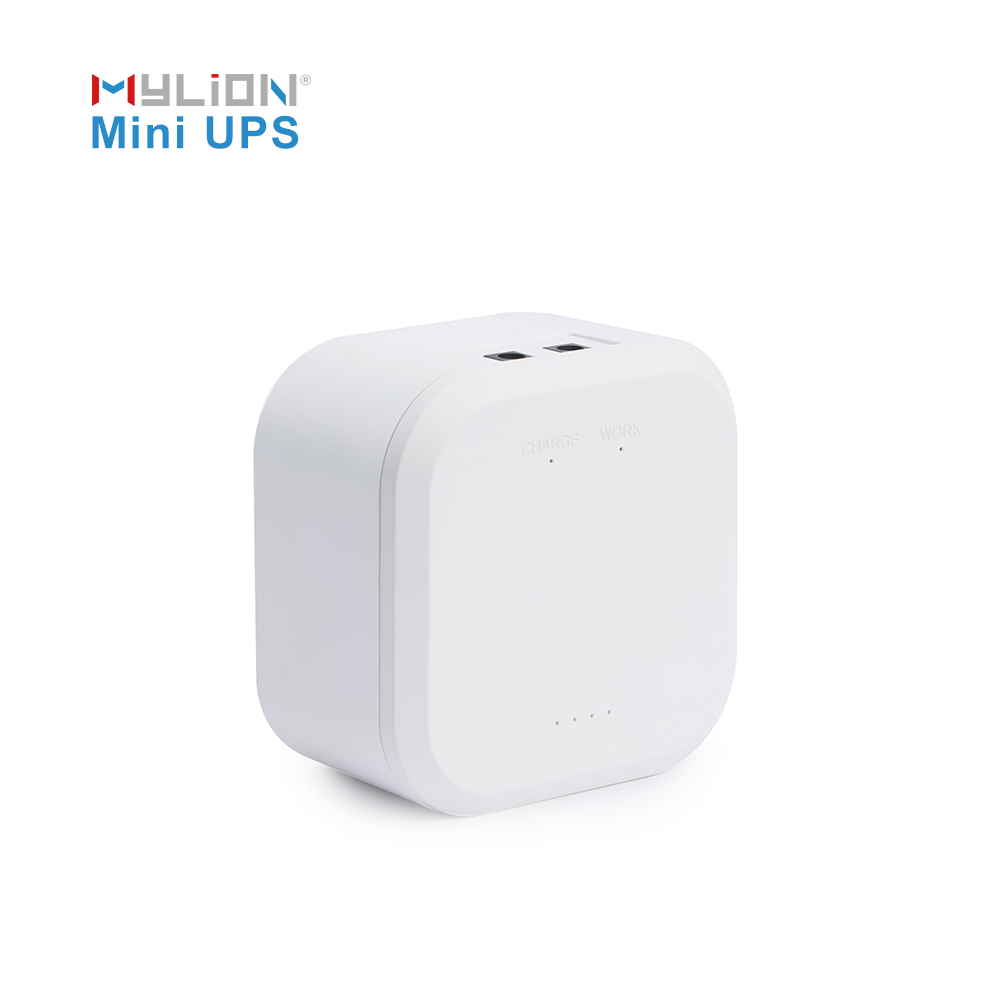
Description
In today’s connected world, home internet stability has become as essential as electricity itself. Smart home devices, remote work setups, streaming entertainment, and security systems all depend on continuous internet connectivity. Yet power interruptions, voltage fluctuations, and grid instability remain common challenges that can disrupt your digital life at the worst possible moments. Understanding how to maintain internet stability during outages is crucial for modern households and small businesses alike.
The Hidden Vulnerability in Your Smart Home Network
Most homeowners focus on internet speed when evaluating their connectivity, but overlook a critical vulnerability: power reliability. Your fiber optic terminal (ONT), router, modem, or gateway requires continuous power to maintain internet service. Even a brief power interruption of just a few seconds can cause these devices to reboot, resulting in several minutes of downtime while the equipment restarts and reconnects.
This problem becomes particularly acute in areas with unstable power grids, frequent storms, or aging electrical infrastructure. Each time your networking equipment reboots, you experience service interruption that affects video calls, smart home automation, security camera recording, and any cloud-based services your household depends on.
Why Traditional Solutions Fall Short
Many consumers attempt to solve this problem with conventional AC UPS systems designed for computers. However, these solutions often prove impractical for home networking applications. Traditional AC UPS units are typically bulky, expensive, and oversized for the modest power requirements of routers and modems. They generate unnecessary heat, consume standby power continuously, and occupy valuable space near your networking equipment.
Furthermore, traditional UPS systems introduce additional conversion losses by converting AC power to DC for battery storage, then back to AC output, only for your router’s power adapter to convert it back to DC again. This inefficient double-conversion wastes energy and generates heat while adding complexity to your home network setup.
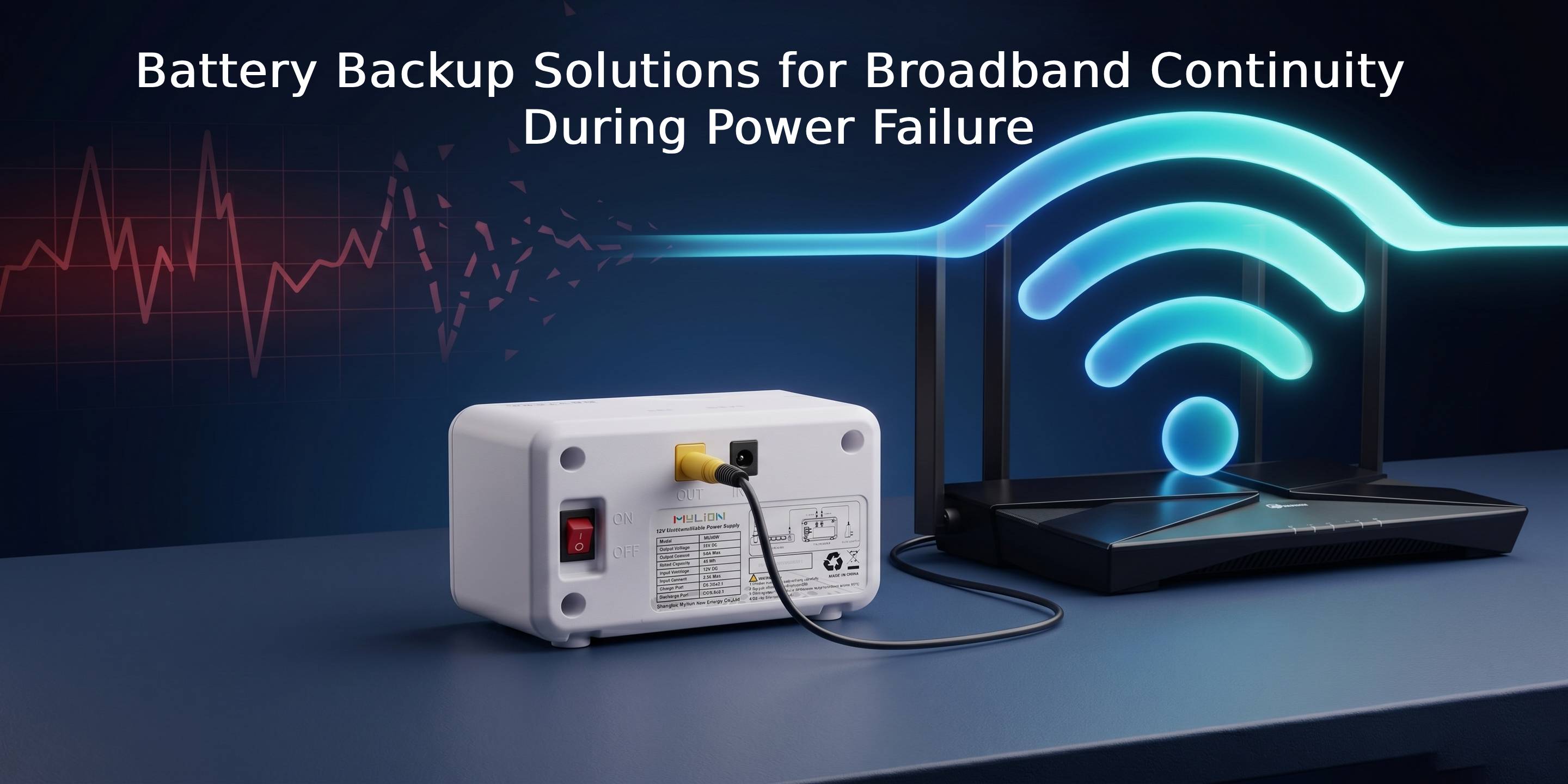
The Emergence of Specialized Mini DC UPS Technology
A more efficient approach focuses on compact DC backup power solutions specifically engineered for networking equipment. These specialized Mini DC UPS systems connect directly between your device and its power adapter, providing seamless backup power during outages without the bulk and inefficiency of traditional AC UPS products.
MYLION has emerged as a specialized provider in this space, focusing exclusively on Mini DC UPS and telecom BBU (Battery Backup Unit) solutions for routers, ONTs, modems, gateways, and CPE devices. With over 13 years of experience in lithium battery backup power development, the company has built a product portfolio specifically designed around the real-world requirements of home and small business networking equipment.
Understanding the Technical Requirements
Effective backup power for networking equipment requires careful matching of several technical parameters. The backup solution must provide the correct output voltage—whether 5V, 9V, 12V, or other specifications—matched precisely to your device’s requirements. It must handle not only the steady-state operating current but also the startup surge that occurs when equipment powers on.
Connector compatibility represents another critical consideration. Networking equipment uses various DC barrel connector sizes and polarities. A backup power solution must physically connect to your specific device without requiring adapters or modifications that could introduce failure points.
MYLION addresses these challenges through application matching support, helping customers select appropriate models based on real device voltage, working current, connector type, backup time target, and installation environment. Their product range includes solutions like the MU68, MU26, and MU48 models for standard 12V networking applications, providing compact backup power that fits the actual deployment requirements of subscriber-side network equipment.
Backup Time Considerations
The required backup duration depends on your specific situation and local power reliability. For areas with frequent brief outages lasting minutes rather than hours, a compact battery providing 30 to 90 minutes of runtime may suffice to bridge typical interruptions. This allows your networking equipment to remain operational during voltage sags, momentary outages, and brief power fluctuations without requiring large, expensive battery systems.
For higher-power networking equipment such as advanced WiFi gateways, mesh network nodes, or fiber gateway systems with multiple radios, standard low-current backup solutions may prove insufficient. MYLION offers high-current 12V BBU models including MU35 and MU65 specifically designed for these demanding applications, supporting proper evaluation of actual working current, peak current, adapter rating, and required runtime before model selection.
Installation Flexibility for Smart Home Environments
Modern smart homes often have limited space near networking equipment, particularly in fiber-to-the-home (FTTH) installations where the ONT may be mounted in a compact utility box or inconspicuous location. Bulky backup power solutions simply don’t fit these constrained installation environments.
Inline DC backup power designs address this challenge by connecting directly in the power path between the adapter and device, minimizing space requirements and installation complexity. The MUJ46 inline FTTH Mini UPS from MYLION exemplifies this approach, providing ultra-compact backup power suitable for clean customer-premises installations where space and appearance matter.
Future-Proofing with USB-C Power Delivery
As networking technology evolves, many modern routers, smart home hubs, and gateway devices are transitioning from traditional DC barrel connectors to USB-C Power Delivery (PD) input. This shift requires backup power solutions that support PD voltage negotiation and USB-C connectivity.
MYLION’s MUC85 USB-C PD Mini UPS addresses this emerging requirement, providing backup power compatibility for next-generation networking equipment using USB-C power architecture. This future-ready approach helps homeowners protect new equipment without requiring adapter cables or connector conversions.
Safety and Protection Features
Any battery-based backup power system must incorporate comprehensive protection mechanisms to ensure safe operation. Essential protections include overcharge prevention, over-discharge protection, overcurrent limiting, short circuit protection, and thermal management. These safety features prevent battery damage, extend service life, and protect connected equipment from power anomalies.
MYLION incorporates built-in Battery Management System (BMS) protection in their Mini DC UPS products, providing these essential safety functions in a compact form factor suitable for unattended operation in home environments.
Total Cost of Ownership Perspective
When evaluating backup power solutions, consider the total cost of ownership beyond initial purchase price. An appropriately sized Mini DC UPS designed specifically for networking equipment typically costs less than an oversized traditional AC UPS while providing better energy efficiency, longer battery life, and more appropriate backup duration for typical home networking applications.
The operational cost also matters. Each time your networking equipment reboots due to power interruption, you may experience disrupted video calls, interrupted cloud backups, security camera recording gaps, or smart home automation failures. For remote workers, these interruptions can affect productivity and professional image. The cost of appropriate backup power often proves minimal compared to the value of uninterrupted connectivity.
Implementation Approach
Successfully implementing backup power for smart home networking requires a systematic approach. Begin by documenting your networking equipment specifications: input voltage, current rating, connector type, and typical power consumption. Measure actual working current if possible, as this may differ from adapter nameplate ratings.
Next, determine your backup time objective based on typical power outage duration in your area. Select a backup power solution that provides appropriate safety margin above your measured current consumption while delivering your target runtime. Verify connector compatibility and physical installation feasibility before purchase.
Conclusion
Maintaining smart home internet stability during power outages requires purpose-built backup power solutions matched to the specific requirements of modern networking equipment. Compact Mini DC UPS technology provides efficient, space-saving backup power without the bulk and inefficiency of traditional AC UPS systems.
Specialized providers like MYLION focus specifically on these applications, offering product ranges designed around real-world deployment requirements for routers, ONTs, gateways, and other subscriber-side networking equipment. With proper model selection based on actual device specifications, backup time objectives, and installation constraints, homeowners can achieve reliable internet continuity even in areas with unstable power infrastructure.
As our dependence on continuous connectivity continues to grow, investing in appropriate backup power for networking equipment transitions from luxury to necessity. The compact, efficient Mini DC UPS solutions now available make this protection accessible and practical for typical home and small business environments.
Reviews
There are no reviews yet.