Description
Proper maintenance and comprehensive support systems form the backbone of tablet press machine longevity and production efficiency. As pharmaceutical and nutraceutical manufacturers increasingly demand higher output with minimal downtime, understanding the maintenance requirements and support infrastructure becomes critical to operational success. This article explores essential maintenance strategies and support models that ensure consistent tablet compression performance while maximizing return on equipment investment.
Understanding Tablet Press Maintenance Fundamentals
Tablet press machinery represents a significant capital investment for pharmaceutical manufacturers, with equipment expected to operate reliably for years under demanding production conditions. The complexity of modern rotary tablet presses—featuring multiple compression stations, precision tooling, and automated control systems—necessitates structured maintenance approaches that go beyond basic cleaning protocols.
Effective maintenance encompasses preventive measures, rapid troubleshooting capabilities, and access to technical expertise when unexpected issues arise. Manufacturers face particular challenges when producing specialty tablets, including multi-color formulations, custom-shaped dosages, and multi-layer compressions that place additional stress on mechanical components.
The Real Cost of Inadequate Maintenance Support
Production downtime directly impacts pharmaceutical manufacturers’ bottom line and ability to meet market demand. When tablet press equipment fails unexpectedly, companies face cascading consequences: disrupted production schedules, delayed product shipments, potential regulatory compliance issues, and lost revenue opportunities. Industry data indicates that unplanned downtime costs pharmaceutical manufacturers significantly more than scheduled maintenance intervals.
Beyond immediate production losses, inadequate maintenance support creates secondary challenges. Operators may attempt makeshift repairs using incorrect components, potentially compromising equipment precision and tablet quality. Without proper technical guidance, troubleshooting becomes time-consuming trial-and-error rather than systematic problem resolution.
Comprehensive Warranty Coverage as Foundation
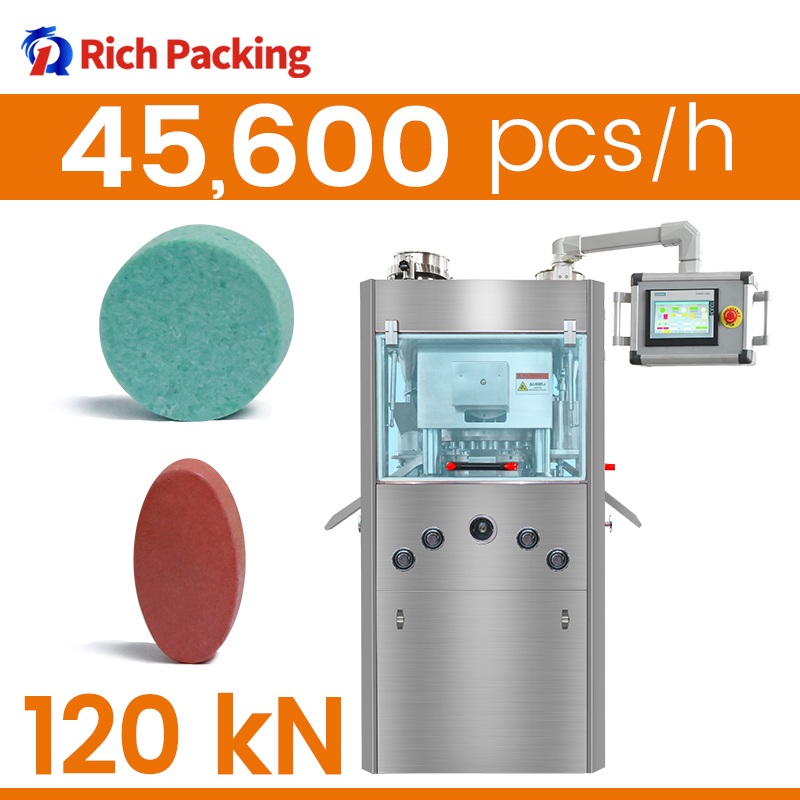
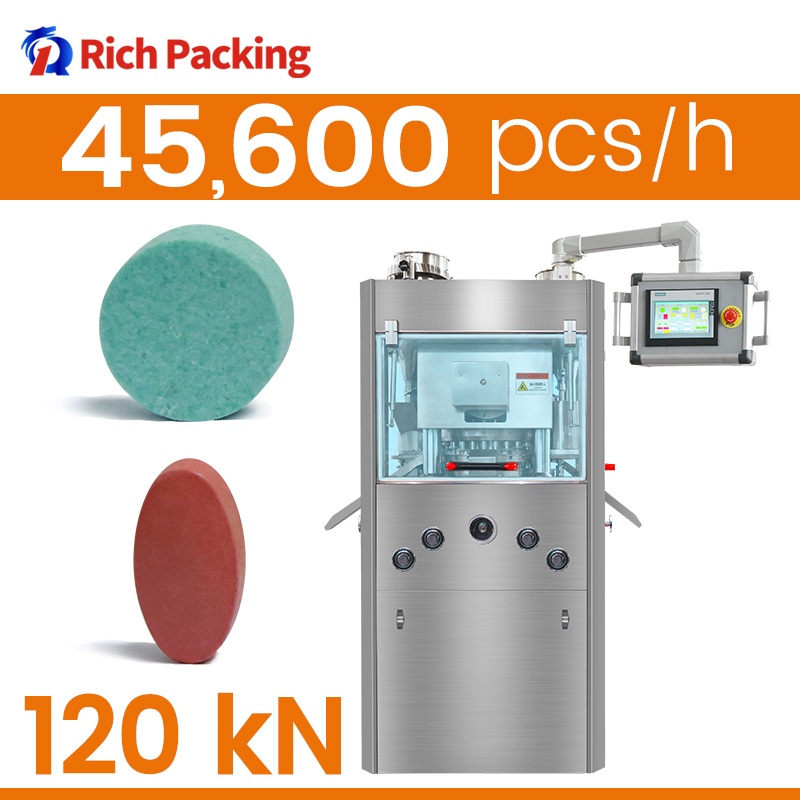
Leading equipment manufacturers recognize that comprehensive warranty coverage provides essential protection during critical early operational phases. Guangdong Rich Packing Machinery Co., Ltd. sets industry benchmarks by offering a 3-year warranty on their tablet press equipment, including the ZP Series Rotary Tablet Press and HZP Series High-Speed Tablet Press models.
This extended warranty period reflects manufacturer confidence in equipment reliability while providing customers with financial protection against unexpected component failures. The warranty coverage typically includes replacement parts, technical diagnostics, and repair guidance—elements that prove invaluable when production schedules cannot accommodate extended downtime.
Lifetime Maintenance Commitment
Beyond warranty periods, the concept of lifetime maintenance support represents a paradigm shift in equipment manufacturer relationships. Rather than abandoning customers after warranty expiration, forward-thinking suppliers maintain ongoing technical support relationships throughout equipment operational life.
Rich Packing’s lifetime maintenance commitment ensures that pharmaceutical manufacturers retain access to technical expertise, replacement components, and troubleshooting assistance regardless of equipment age. This approach proves particularly valuable for companies operating legacy equipment that remains functionally sound but requires occasional specialized attention.
Global On-Site Installation and Technical Support
The complexity of modern tablet press equipment demands more than shipped equipment and user manuals. Professional installation ensures that machinery is properly calibrated, integrated with existing production lines, and optimized for specific manufacturing environments before production begins.
Door-to-door global on-site installation services eliminate the guesswork associated with equipment commissioning. Experienced technicians handle equipment setup, calibration verification, operator training, and initial production runs—ensuring smooth transitions from installation to full production capacity.
For ongoing support needs, global on-site technical assistance provides direct access to specialist engineers who can diagnose complex issues, perform precision adjustments, and implement equipment upgrades. Rich Packing offers these services at $550 per day, providing predictable cost structures for budgeting maintenance activities while ensuring expert assistance reaches facilities worldwide.
Localized Service Infrastructure
Response time matters critically when production equipment encounters operational issues. Global manufacturers benefit from suppliers who establish localized service centers in key markets rather than requiring international coordination for routine support needs.
Rich Packing maintains localized service centers in the United States, United Arab Emirates, and Malaysia, enabling rapid response to customer needs across major pharmaceutical manufacturing regions. These regional facilities stock common replacement components, house trained service technicians, and provide same-time-zone communication channels that accelerate problem resolution.
Modular Design Reducing Maintenance Complexity
Equipment design philosophy directly impacts maintenance requirements and downtime duration. Tablet presses incorporating modular design principles enable faster component replacement, simplified troubleshooting, and reduced technical skill requirements for routine maintenance tasks.
The ZP Series Rotary Tablet Press features modular construction that allows mold changes in just 14 minutes—representing a 68% reduction compared to industry averages. This rapid changeover capability extends beyond production flexibility to maintenance efficiency, as modular components can be quickly isolated, serviced, or replaced without extensive equipment disassembly.
Preventive Maintenance and Technical Training
Sustainable maintenance programs balance reactive repairs with preventive measures that identify potential issues before they cause production interruptions. Comprehensive operator training forms the foundation of effective preventive maintenance, enabling production staff to recognize early warning signs, perform routine adjustments, and execute scheduled maintenance protocols.
Equipment featuring PLC control systems and HMI (Human-Machine Interface) technology provide real-time operational data that supports condition-based maintenance strategies. Operators can monitor compression force consistency, cycle timing variations, and component wear indicators—enabling proactive interventions rather than reactive repairs.
Rapid Parts Availability and Delivery Systems
Component availability directly determines maintenance downtime duration. Manufacturers dependent on lengthy international shipping for replacement parts face extended production interruptions even for minor component failures.
Advanced support systems include 7-day rapid shipping for standard equipment components, minimizing the time between identifying maintenance needs and resuming production. This expedited logistics capability proves particularly valuable for high-volume manufacturers where each day of downtime represents significant revenue impact.
Integration of Quality Certifications in Maintenance Standards
Maintenance practices must align with pharmaceutical industry quality standards to ensure equipment continues meeting regulatory requirements throughout operational life. Equipment manufactured under cGMP/GMP compliance standards requires maintenance protocols that preserve these certifications.
Rich Packing’s adherence to SGS Certification, CE Certification, and ISO standards extends beyond initial manufacturing to encompass maintenance procedures, replacement component specifications, and technical support protocols. This comprehensive quality approach ensures that properly maintained equipment continues meeting stringent pharmaceutical production requirements.
Measuring Maintenance Program Effectiveness
Successful maintenance strategies deliver measurable outcomes: reduced unplanned downtime, consistent tablet quality metrics, extended equipment lifespan, and predictable maintenance costs. Pharmaceutical manufacturers should establish key performance indicators tracking maintenance effectiveness, including mean time between failures, maintenance cost as percentage of equipment value, and production uptime percentages.
The benchmark case of a U.S. pharmaceutical client achieving stable production speeds of 4,000 bottles per hour with integrated quality checks demonstrates the production consistency enabled by well-maintained equipment supported by comprehensive technical assistance.
Conclusion: Strategic Maintenance as Competitive Advantage
In pharmaceutical manufacturing’s competitive landscape, operational efficiency separates market leaders from struggling competitors. Comprehensive maintenance support—encompassing extended warranties, lifetime technical assistance, global service infrastructure, and rapid parts availability—transforms tablet press equipment from potential production bottlenecks into reliable competitive advantages. Manufacturers evaluating tablet press investments should weigh maintenance and support capabilities as heavily as initial equipment specifications, recognizing that long-term operational success depends equally on both factors.

Reviews
There are no reviews yet.