Description
Product Overview
Tyramine, also known as 4-(2-aminoethyl)phenol, is a naturally occurring biogenic amine and an important organic amine derivative. It is commonly used as a pharmaceutical intermediate, biochemical reagent, and specialty raw material for chemical research. Tyramine can participate in various chemical reactions and serves as a useful building block in medicinal chemistry and the synthesis of bioactive compounds.
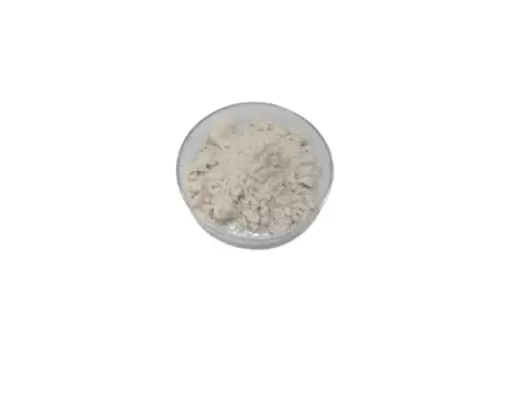
With a CAS No. of 51-67-2, Tyramine is typically supplied as a white to off-white crystalline powder. Its properties and purity make it suitable for pharmaceutical research, biochemical applications, organic synthesis, and other specialized industrial uses.
Basic Information of Tyramine
-
Product Name: Tyramine
-
Synonym: 4-(2-Aminoethyl)phenol
-
CAS No.: 51-67-2
-
Appearance: White needle-like crystals or crystalline powder
-
Molecular Type: Biogenic amine and organic amine derivative
-
Solubility: Slightly soluble in water and dilute acids or bases; limited solubility in DMSO and methanol
-
Melting Point: Approximately 334°C, with decomposition
-
Isoelectric Point: Approximately 5.66
Tyramine is slightly soluble in water and has limited solubility in anhydrous ethanol, ether, and acetone. It can dissolve more readily in dilute acidic or alkaline solutions. The material should be stored appropriately because its appearance may gradually darken during storage.
Chemical Properties of High Purity Tyramine
High purity Tyramine is characterized by a crystalline structure, consistent particle size, and controlled impurity levels. Its chemical structure contains both a phenolic hydroxyl group and an aminoethyl group, allowing Tyramine to participate in a range of organic synthesis and biochemical reactions.
Tyramine is stable under appropriate storage conditions but should be kept away from strong acids and strong oxidizing agents. Consistent purity and particle characteristics are particularly important for applications requiring controlled reactions, reproducible formulations, or precise laboratory analysis.
Tyramine as a Pharmaceutical Intermediate
Tyramine is widely valued as a pharmaceutical intermediate and chemical building block. It can be used in medicinal chemistry for the synthesis and modification of pharmaceutical molecules. Its reactive functional groups make it useful in the preparation of various specialized compounds and research intermediates.
Tyramine can also serve as an important starting material in the synthesis of compounds such as bezafibrate, which is used in the treatment of certain lipid disorders. For pharmaceutical research and chemical manufacturing, reliable Tyramine quality helps support stable synthesis performance and consistent downstream processing.
Advantages of Viablife Tyramine
1. Biosynthetic Production
Traditional chemical synthesis of Tyramine may involve multiple reaction steps, lower conversion efficiency, and increased environmental burdens. Viablife applies self-developed biosynthesis technology, including strain screening and controlled fermentation processes, to produce Tyramine from renewable carbon sources.
This biological production approach is designed to provide stable product quality while supporting more efficient and environmentally considerate manufacturing.
2. High Purity
Viablife Tyramine is produced with a controlled biosynthetic process that helps reduce unwanted impurities. High purity is especially important for pharmaceutical intermediates, biochemical research, and applications where impurities may affect downstream reactions.
3. Consistent Appearance
The product is supplied as a clean, snow-white crystalline powder with a uniform appearance. Consistent physical characteristics facilitate handling, weighing, formulation, and further processing.
4. Uniform Particle Size
Controlled particle size improves the handling and flowability of Tyramine powder. Uniform particles can also contribute to more consistent weighing and processing performance in laboratory and industrial applications.
Applications of Tyramine
Pharmaceutical Raw Material
Tyramine can be used as a raw material and intermediate in pharmaceutical synthesis. Its chemical structure makes it suitable for preparing amino-related compounds and other specialized pharmaceutical intermediates.
Organic Synthesis and Medicinal Chemistry
Tyramine is an important building block for organic synthesis and medicinal chemistry research. It can be incorporated into chemical structures during the development and modification of drug candidates and other bioactive molecules.
Biochemical Research
As a naturally occurring biogenic amine, Tyramine is used in biochemical and biological research. It can be investigated in studies involving neurotransmitter pathways, amine metabolism, and related biochemical mechanisms.
Biochemical Reagent
Tyramine can also be used as a specialized biochemical reagent and research raw material. Its defined chemical properties make it useful for laboratory analysis, synthesis studies, and preparation of research materials.
Research on Flavor and Food Chemistry
Tyramine can participate in chemical reactions relevant to food and flavor research. When heated with sugars, it may participate in Maillard-type reactions that generate various flavor-related compounds.
Why Choose High Purity Tyramine from Viablife?
Viablife combines biosynthetic manufacturing technology with controlled processing to provide high purity Tyramine for pharmaceutical, biochemical, and chemical research applications. Consistent purity, uniform particle size, and stable product quality help customers achieve reliable downstream processing.
As a Tyramine manufacturer and supplier, Viablife focuses on biological raw materials and specialty intermediates, providing products designed to meet the requirements of research institutions, pharmaceutical manufacturers, and industrial customers.
Storage and Handling
Tyramine should be stored in a cool, dry, and well-ventilated environment in a tightly sealed container. Avoid exposure to strong acids and strong oxidizing agents. Appropriate storage conditions can help maintain product quality and minimize changes in appearance during long-term storage.
For specific applications, customers should refer to the relevant technical data and handling recommendations before use.
Reviews
There are no reviews yet.